Navigating Dairy Allergies: Your Comprehensive Guide to Dairy-Free Living
Receiving a diagnosis of a dairy allergy for yourself or a loved one can feel overwhelming, transforming everyday grocery shopping and meal preparation into a complex challenge. However, embarking on a dairy-free journey doesn’t have to be daunting. With the right knowledge and a keen eye for labels, you can confidently navigate the culinary landscape. This comprehensive guide is designed to empower you with essential information, from identifying common and hidden dairy ingredients to discovering delicious, surprisingly dairy-free foods you can savor.
Understanding a dairy allergy is crucial. Unlike lactose intolerance, which is an inability to digest the sugar (lactose) in milk, a dairy allergy is an immune response to the proteins found in milk, primarily casein and whey. Even trace amounts can trigger a reaction, making vigilant label reading and ingredient knowledge paramount for those with a true allergy. For individuals with a severe dairy allergy, even cross-contamination from shared cooking surfaces or manufacturing equipment can be dangerous.
Whether you’re new to dairy-free living or seeking to refine your approach, this guide will serve as an invaluable resource. We’ll explore the obvious dairy culprits, delve into the sneaky ingredients that often hide in plain sight, and highlight unexpected delights that are naturally dairy-free. On the bright side, embracing a dairy-free diet opens up a world of innovative and delicious alternatives that can make your meals more diverse and enjoyable, ensuring you don’t feel deprived.
Common Dairy Foods to Eliminate from Your Diet
When starting a dairy-free diet, it’s essential to first identify the most obvious sources of dairy. These are products made directly from milk and are typically easy to spot. However, a comprehensive list helps ensure no common dairy item is overlooked, making your transition to a dairy-free lifestyle smoother and safer.
- Butter: Made from churning cream, butter is a direct dairy product. Even clarified butter (ghee), while low in lactose, contains milk proteins (casein and whey) and should be avoided by those with a dairy allergy. Dairy-free butter alternatives, often made from vegetable oils or nuts, are readily available.
- Buttermilk: A fermented milk product often used in baking, dressings, and fried chicken recipes. Its distinct tang comes from lactic acid bacteria fermenting the milk.
- Cheese: This broad category includes all forms of cheese – hard, soft, fresh, aged, processed, and natural, made from cow, goat, or sheep’s milk. Varieties range from cheddar and mozzarella to feta, ricotta, cream cheese, and cottage cheese. Dairy-free cheese alternatives, made from nuts (like cashews or almonds) or starches, offer good substitutes.
- Condensed Milk & Evaporated Milk: These are concentrated forms of cow’s milk, with water removed, resulting in a thick, sweet (condensed) or unsweetened (evaporated) product. They are frequently used in many desserts, coffee, and savory dishes to add richness.
- Cottage Cheese: A fresh cheese curd product, characterized by its lumpy texture and mild flavor. It’s often eaten on its own or used in recipes.
- Cream Cheese: A soft, spreadable cheese made from milk and cream, commonly used in spreads, dips, and cheesecakes.
- Cream: Including heavy cream, light cream, half-and-half, and whipping cream. All are direct derivatives of milk and are used for richness in cooking, baking, and beverages.
- Curds: Coagulated milk proteins, which are the solid components formed when milk sours or is treated with an enzyme. They are a fundamental precursor to cheese.
- Custard: A dessert base typically made with milk, eggs, and sugar, resulting in a creamy, rich texture.
- Ghee: While clarified butter and often considered lactose-free, it still contains casein, making it unsuitable for dairy allergy sufferers.
- Half and Half: A blend of milk and cream, commonly used in coffee and lighter cream sauces.
- Ice Cream & Sherbet: Traditional ice cream is a milk-based frozen dessert. Sherbet, while sometimes lighter and fruitier, also contains milk or cream, making it a dairy product. Look for sorbet or dairy-free frozen desserts instead.
- Malted Milk: Made from malted barley, wheat flour, and whole milk powder, giving it a distinctive flavor profile.
- Milk: This encompasses all forms of animal milk, including cow’s milk (whole, skim, 2%, 1%), goat’s milk, sheep’s milk, and even “lactose-free” milk, as the latter still contains dairy proteins (casein and whey). Opt for plant-based milks such as almond, soy, oat, or coconut milk.
- Milkshakes: A blended drink typically made with milk and ice cream, meaning they are a double dose of dairy.
- Milk Solids: A dried form of milk (often from skim milk), used as a filler, thickener, or flavor enhancer in a vast array of processed foods.
- Nougat: A confection often containing milk powders or milk solids for texture and flavor.
- Paneer: An Indian fresh cheese, widely used in South Asian cuisine.
- Pudding: Many puddings, especially instant or pre-made varieties, are milk-based.
- Sour Cream: A fermented cream product, known for its tangy flavor and thick texture, used in dips, toppings, and baking.
- Whey Protein: One of the two main proteins in milk (the other being casein), commonly found in protein supplements, energy bars, and processed foods.
- Whipped Cream: Cream that has been whipped until light and fluffy, used as a topping for desserts and drinks.
- Yogurt: A fermented milk product, available in various forms (Greek, regular, flavored). Plant-based yogurts, made from coconut, almond, or soy milk, are excellent dairy-free alternatives.
Dairy Ingredients to Watch Out For on Food Labels
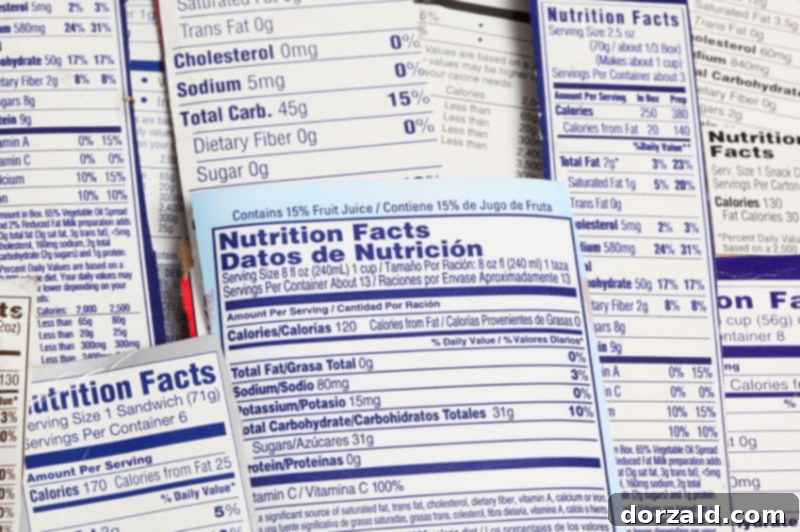
Successfully avoiding dairy requires more than just sidestepping obvious milk products. Many food items contain hidden dairy ingredients, which can be challenging to identify without careful label scrutiny. Food manufacturers use these ingredients for various purposes, including emulsification, flavor, texture, and as binders. Here’s a list of common dairy-derived components to look for and avoid:
- Artificial Butter Flavor: Despite the name, this flavor can often contain actual butter, butterfat, or other dairy components to mimic the taste of real butter. Always check the ingredients list carefully.
- Casein: One of the primary milk proteins and a major allergen. It’s often used as a binder, emulsifier, thickener, or as a protein source in processed foods.
- Caseinates (e.g., Sodium Caseinate, Calcium Caseinate, Magnesium Caseinate): These are salts of casein, frequently found in “non-dairy” creamers, coffee whiteners, and processed meats. Crucially, even though a product might be labeled “non-dairy” because it’s lactose-free, caseinates are still milk proteins and pose a risk for dairy allergy sufferers.
- Hydrolyzed Caseinate: A processed form of casein where the protein has been broken down. It’s often found in protein bars, dietary supplements, and some specialized baby formulas.
- Kefir: A fermented milk drink, similar in consistency to a thin yogurt, containing various probiotic bacteria.
- Lactalbumin & Lactoglobulin: These are other specific proteins found in milk, distinct from casein and whey, but still potent dairy allergens for sensitive individuals.
- Lactose & Lactulose: While these are milk sugars (and primarily problematic for lactose intolerance), their presence on an ingredient list signifies that a product contains dairy. For a dairy allergy, the proteins are the concern, but lactose presence implies milk.
- Nonfat Dry Milk (NFDM): Also known as skim milk powder or dried skim milk, this concentrated form of milk is frequently added to baked goods, soups, sauces, chocolate, and various mixes for texture, flavor, and protein content.
- Milk Protein Solids: A general term for dried milk proteins, often used as an ingredient where milk components are desired without the liquid.
- Whey: The liquid portion of milk that separates during cheese production. It’s a common ingredient in many processed foods, from bread to snacks, due to its emulsifying and texturizing properties.
- Whey Protein: Often added to protein bars, shakes, cereals, baked goods, and even some infant formulas for nutritional enhancement and texture. This includes various forms like whey protein concentrate, isolate, and hydrolysate.
The key takeaway here is that any ingredient containing “casein,” “whey,” “lacto,” or “milk” in its name should raise a red flag and prompt further investigation. Always look for clear allergen declarations on packaging.
Common Foods Where Dairy Lurks Unexpectedly
Dairy can hide in many unexpected places, making label reading an essential skill for anyone managing a dairy allergy. Here’s a detailed look at common food categories where dairy often lurks, often surprising even seasoned dairy-free individuals:
- Baby Formula: Most standard baby formulas are cow’s milk-based. Specialized hypoallergenic or plant-based formulas (like soy or extensively hydrolyzed formulas) are necessary for infants with dairy allergies, but always consult a pediatrician.
- Bakery Goods and Baking Mixes: A vast category where dairy is prevalent. This includes most commercial breads, cakes, muffins, pastries, doughnuts, and even many pre-packaged baking mixes. Ingredients like milk, butter, buttermilk, whey, and milk solids are commonly used for flavor, texture, and leavening.
- Bread: Many types of bread, especially softer varieties like brioche, milk bread, and even some seemingly plain sandwich breads, contain milk or milk powder to enhance softness and flavor. Always check the label, even for seemingly simple bread.
- Breading (on chicken and meats): Breading used for fried chicken, fish sticks, onion rings, or other breaded meats often contains milk, whey, or buttermilk for crispiness, flavor adhesion, and browning.
- Breakfast, Granola, and Nutrition Bars: A popular convenience food, these bars frequently contain whey protein, milk powder, chocolate chips (which almost always contain dairy), or yogurt coatings. Look for specifically labeled “vegan” or “dairy-free” bars.
- Buns: Hamburger and hot dog buns, like many breads, can contain dairy ingredients for texture and richness.
- Caramel: Traditional caramel is made with butter and cream. While some dairy-free versions exist (often made with coconut milk), assume most commercial caramel products, including candies, sauces, and flavorings, contain dairy.
- Chicken Broth (some brands): Surprisingly, some brands add milk ingredients or dairy-derived flavorings to enhance richness or act as thickeners. Always check the label, especially for condensed or cream-based broths.
- Chocolate and Candy: Milk chocolate, creamy candies, and many confections (e.g., fudge, truffles) contain milk solids or milkfat. Even dark chocolate can sometimes contain dairy (e.g., milkfat) or be subject to cross-contamination, so look for certified dairy-free dark chocolate.
- Cookies: Most commercial cookies contain butter, milk, or milk derivatives (like whey or casein) for flavor and texture.
- Crackers: Many cracker brands include milk, whey, or cheese powders for flavor and texture. Varieties labeled “cheese crackers” are an obvious no-go, but even plain crackers can surprise you.
- Deli & Processed Meats (many contain dairy): Dairy is often used as a binder or filler in hot dogs, sausages, luncheon meats, and even some marinades or flavorings for deli turkey or ham. Read labels carefully for ingredients like caseinates or milk solids.
- Flavored Potato Chips: Chips with flavors like “sour cream and onion,” “cheddar,” “ranch,” or “cream and chive” almost certainly contain dairy powders. Even some plain or “natural” flavors might hide milk ingredients.
- Gravy: Many commercial gravies or gravy mixes are thickened with milk or cream, or contain milk solids for a creamy consistency.
- Instant Potatoes: Packaged instant mashed potatoes often contain butter or milk powders for convenience and flavor. Always opt for plain potato flakes and prepare with dairy-free milk and butter.
- Margarine: While a butter substitute, some brands of margarine contain whey or other milk ingredients. Always choose a dairy-free certified or clearly labeled vegan option.
- Meatballs: Dairy can be used as a binder (e.g., milk-soaked breadcrumbs or cheese) or as a flavor enhancer in pre-made or restaurant meatballs.
- Protein Drinks: A common source of whey protein, which is dairy. Look for plant-based protein alternatives made from pea, rice, or hemp.
- Ranch Dressing (and many other dressings): Creamy dressings like ranch, blue cheese, Caesar, and some thousand island varieties almost always contain buttermilk, sour cream, or other dairy products. Vinegar-based dressings are usually safer.
- Sherbet: Despite often being fruit-flavored, sherbet typically contains a small amount of milk or cream, distinguishing it from dairy-free sorbet.
- Some Natural and Artificial Flavorings: Flavorings can sometimes contain dairy as a carrier or component without explicitly stating “milk” in the flavoring name. If a product simply lists “natural flavors” and you’re unsure, it’s best to contact the manufacturer or avoid it.
- Soy “meat” and “cheese” products (some): Be cautious with these; some older formulations or specific brands of soy-based alternatives might still contain casein for texture or flavor. Always double-check ingredient lists, prioritizing products clearly labeled “vegan” or “dairy-free.”
- Whipped Toppings (even when they say nondairy, it may have casein): This is a critical point. Products labeled “non-dairy” can still contain casein (a milk protein) and are NOT dairy-free. This labeling is allowed because casein is not technically lactose. Always look for “dairy-free” or “vegan” certifications if you have a milk allergy to ensure complete safety.
* Note: This list does not include every possible dairy allergen; please check with your healthcare provider for a complete list and always consult labels diligently. Food manufacturers frequently update ingredients, so continuous vigilance is key for effective dairy allergy management.
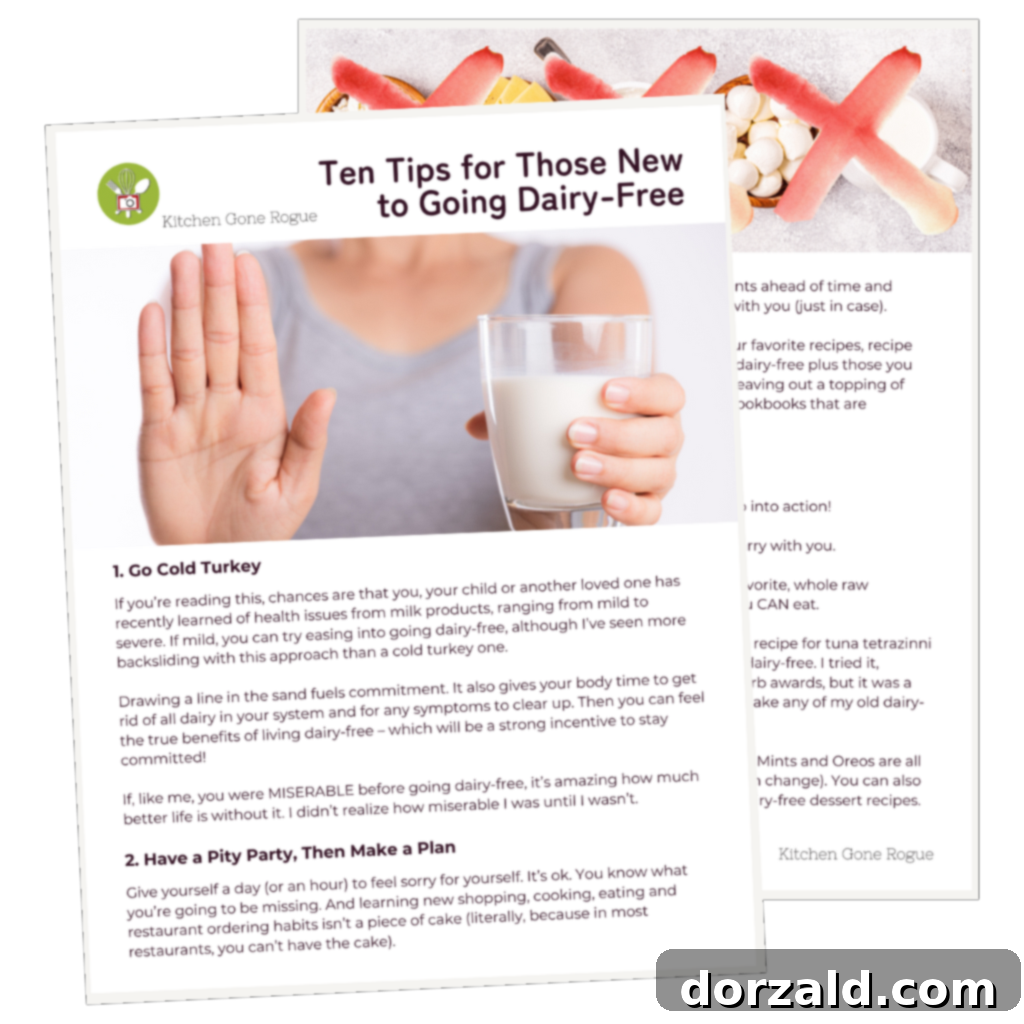
Get My 10 Tips for Going Dairy-Free
Struggling to eat or cook dairy-free? Get my free guide.
Surprisingly Dairy-Free Foods You CAN Enjoy
Living with a dairy allergy doesn’t mean you have to miss out on all treats and comfort foods. Many popular items are surprisingly free of dairy ingredients, offering delightful options for your dairy-free diet. Always remember to scrutinize ingredient labels, as formulations can change, and “may contain milk” warnings are crucial for those with severe allergies. This section highlights some unexpected dairy-free gems that can bring joy back to your plate.
- Oreos: The classic Oreo cookie, believe it or not, does not list milk as an ingredient in its traditional formulation. Its iconic cream filling is typically made with sugar, high fructose corn syrup, and vegetable oil. However, they do carry a “may contain milk” warning due to shared manufacturing lines, so those with severe allergies should exercise caution.
- Mayonnaise (most brands): Standard mayonnaise is an emulsion of egg yolks, oil, vinegar, and seasonings. It is typically dairy-free. Always check the label, as some gourmet or flavored varieties might introduce dairy, or vegan mayo will explicitly state it’s dairy-free and egg-free.
- Pillsbury Crescent Rolls: Many varieties of Pillsbury’s beloved crescent rolls are dairy-free by ingredients, making them a convenient option for dairy-free baking and meals. Confirm with the label of your specific product, as formulations can vary by region.
- Pepperidge Farm Puff Pastry: This versatile pastry dough, often found in the freezer aisle, is frequently made without dairy ingredients, providing a great base for sweet and savory dishes on a dairy-free diet.
- Marshmallows: Most traditional marshmallows are made from sugar, corn syrup, gelatin, and water, with no dairy components. They are a safe bet for hot cocoa, s’mores, or crispy treats, but always verify the label for obscure brands or gourmet versions that might add unexpected ingredients.
- Sorbet (most): This is an excellent dairy-free alternative to ice cream. Sorbet is made from fruit puree or juice, water, and sweetener, and explicitly contains no milk or cream. Please note that sorbet is distinctly different from sherbet – sherbet usually contains a small amount of milk or cream and is NOT dairy-free.
- Creamed Corn: While its name suggests otherwise, many canned creamed corn products are made with corn, water, sugar, and starch, without any dairy. It’s a fantastic side dish option, but as always, a quick check of the label is recommended, especially for ready-made or restaurant versions.
- Angel Food Cake: This light and airy cake is traditionally made with egg whites, sugar, and flour, making it naturally dairy-free (and fat-free!). Enjoy it plain or with fresh fruit for a delightful dessert.
- Junior Mints: These classic chocolate-covered mints typically do not have dairy in their ingredient list. However, their packaging usually includes a “may contain milk” warning due to manufacturing practices. They might be suitable for those with mild sensitivities but not for individuals with severe, anaphylactic allergies.
- Eggs: There’s a common misconception that eggs are “dairy.” Eggs come from chickens (or other birds) and are not a milk product. Unless you have a separate egg allergy or are following a vegan diet, eggs are a perfectly safe and nutritious part of a dairy-free regimen. Enjoy them scrambled, fried, or in your favorite baked goods (when prepared dairy-free).
- Dark Chocolate (select brands): While milk chocolate is off-limits, many pure dark chocolate bars (especially those with 70% cocoa or higher) are made without dairy ingredients. Look for brands that specifically state “dairy-free” or “vegan” to ensure safety from both ingredients and cross-contamination.
- Nutritional Yeast: Often used as a cheese substitute in vegan cooking, nutritional yeast is dairy-free and offers a savory, umami, and distinctly cheesy flavor to dishes without any dairy content. It’s great sprinkled on popcorn or in sauces.
- Vegetable Oils & Shortenings: Unlike butter or some margarines, pure vegetable oils (like olive, canola, coconut, sunflower, avocado) and vegetable shortenings are completely dairy-free and excellent for cooking and baking needs.
- Most Pickles & Olives: Fermented vegetables are generally dairy-free, but always check flavored varieties or those in creamy brines.
- Applesauce: Plain applesauce is naturally dairy-free and a versatile ingredient for baking or a simple snack.
Living a Successful Dairy-Free Life
Embracing a dairy-free lifestyle due to an allergy can initially seem challenging, but it’s entirely manageable and can even lead to discovering new favorite foods and cooking methods. With a proactive approach, this journey can be empowering and delicious. Here are some practical tips for navigating your dairy-free journey successfully:
- Always Read Labels Diligently: This cannot be stressed enough. Ingredient lists and allergen warnings are your best friends. Remember that product formulations can change without notice, so even if you’ve bought a product before, it’s wise to recheck the label every single time.
- Understand Allergen Statements: In many countries, major allergens like milk are bolded or clearly listed in a “Contains:” statement at the end of the ingredient list. Familiarize yourself with these regulations in your region for quick identification.
- Heed “May Contain Milk” Warnings: For severe allergies, always heed these warnings. They indicate a risk of cross-contamination during manufacturing, even if dairy isn’t a direct ingredient. For less severe allergies, you might decide to take a calculated risk, but it’s always safer to avoid.
- Explore Dairy-Free Alternatives: The market for dairy-free products has exploded, offering an incredible variety of substitutes. You can find excellent alternatives for milk (almond, soy, oat, coconut, rice), cheese, yogurt, ice cream, and butter. Experiment with different brands and types to find your favorites that best suit your taste and dietary needs.
- Cook and Bake at Home: Preparing meals and treats from scratch gives you complete control over ingredients, significantly reducing the risk of accidental dairy exposure. This also allows for creativity in adapting beloved recipes to be dairy-free.
- Eat Out Safely: When dining out, inform your server and the chef about your dairy allergy explicitly. Ask specific questions about ingredients, cooking methods, and potential cross-contamination. Many restaurants are now more accommodating to dietary restrictions, but always be your own advocate.
- Educate Others: Share information about your dairy allergy with family, friends, and caregivers. Their understanding and support are invaluable, especially when preparing food for you or your loved one. Provide them with resources or simple lists of safe foods.
- Consult a Registered Dietitian: A registered dietitian specializing in food allergies can provide personalized advice, help ensure nutritional adequacy (especially regarding calcium and Vitamin D), and offer further guidance on managing your dairy-free diet effectively.
- Focus on Whole Foods: Naturally dairy-free whole foods like fruits, vegetables, grains, legumes, nuts, and seeds should form the foundation of your diet. These are nutritious and inherently safe from dairy.
Living dairy-free is a journey of continuous learning and adaptation. With this guide and a proactive approach, you can lead a fulfilling life, free from dairy allergens, while enjoying a wide variety of delicious and safe foods. Embrace the opportunity to explore new ingredients and culinary traditions!