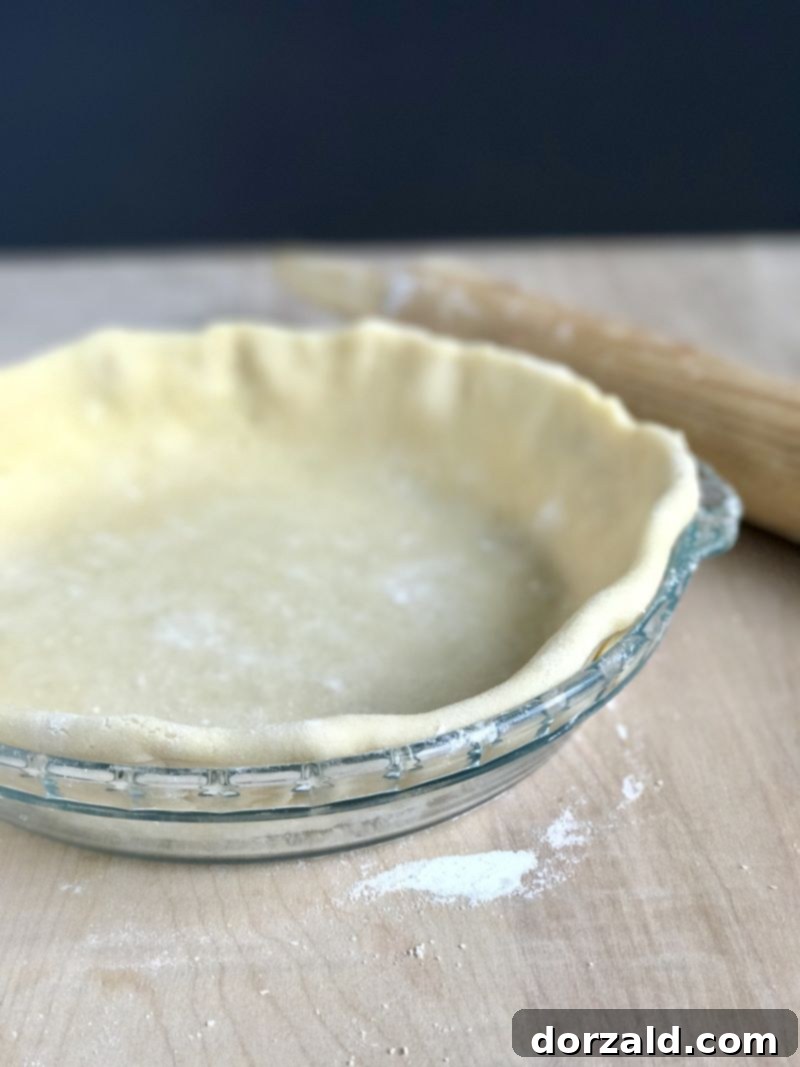
Mastering the Art of Flaky: The Ultimate Dairy-Free & Vegan Pie Crust Recipe
For those navigating food sensitivities or embracing a plant-based lifestyle, the quest for a truly exceptional pie crust can be a journey. My own adventure began over two decades ago with a cow’s milk allergy diagnosis, a time when dairy-free baking options were scarce and often involved less-than-ideal ingredients like hydrogenated margarine and shortening. Fast forward to today, and the landscape has dramatically improved! We now have an array of healthier, more delicious alternatives for crafting a perfect dairy-free pie crust, including non-hydrogenated shortenings, coconut oil, and my personal favorite: Earth Balance vegan baking sticks.
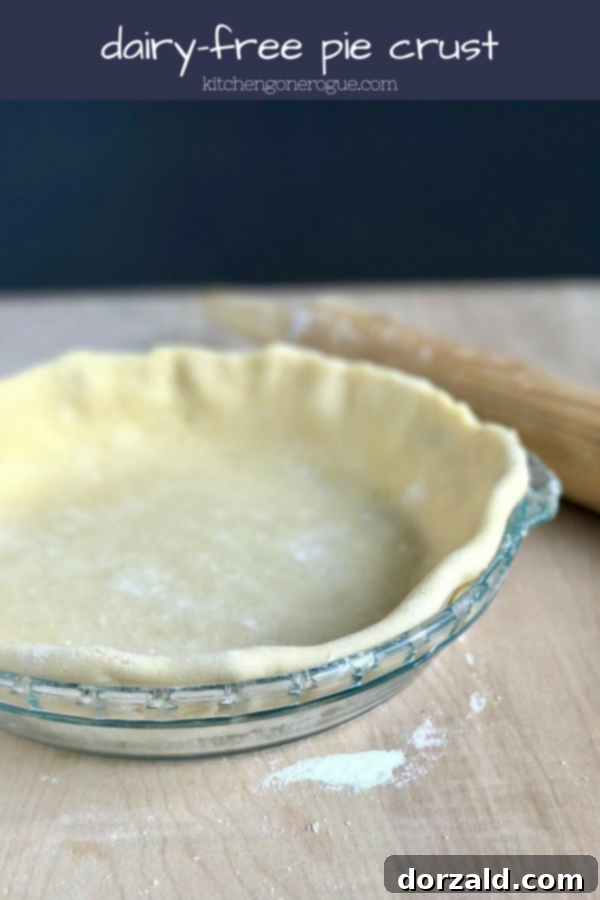
Over the years, I’ve rigorously tested various butter substitutes in my pie crust recipes, and the Earth Balance vegan buttery sticks consistently deliver the best results. They offer that rich, buttery flavor and contribute to an incredibly flaky texture, making them the star ingredient in this dairy-free pie crust recipe (which is also naturally vegan). For those with soy sensitivities, Earth Balance even offers a soy-free version, ensuring this recipe is accessible to a wider audience. You can typically find Earth Balance sticks at major grocery chains like Signature Kroger, Whole Foods, Central Market, Tom Thumb, and Albertson’s. If you’re unsure where to find them, Earth Balance provides a convenient store locator on their website. (Just a quick note: this isn’t a sponsored post. While I’d happily collaborate with Earth Balance, my recommendation stems purely from genuine satisfaction with their product.)
But what if you don’t have a dairy allergy or intolerance? Does this reliable pie dough recipe still work its magic? Absolutely! I’ve also prepared this crust with traditional dairy butter, and the outcome is consistently beautiful and, I’m told, utterly delicious. This versatility makes it a fantastic go-to recipe for any baker, whether you’re committed to dairy-free baking or simply looking for an outstanding pie crust that performs wonderfully every time.
Essential Tips & Tricks for a Flawless Dairy-Free Pie Crust:
Keep Ingredients Super Cold
The secret to a truly flaky pie crust, whether dairy-free or traditional, lies in keeping your fat (buttery sticks) and water as cold as possible. Cold ingredients prevent the fat from melting too quickly into the flour, creating tiny pockets of fat that steam during baking, resulting in those coveted flaky layers. Keep your Earth Balance sticks in the refrigerator until the very moment you’re ready to cut them, and use ice-cold water (you can even add an ice cube to your measuring cup before pouring).
Master Your Mixing Method
While an electric mixer or food processor can simplify the process, a perfect pie crust can certainly be achieved by hand using a pastry cutter or even your fingertips. The key is to thoroughly blend the dry ingredients with the cold buttery pieces until the mixture resembles coarse meal with some pea-sized pieces of fat remaining. Don’t rush this step, as it’s crucial for developing texture before you introduce any liquid. If mixing by hand, work quickly to minimize warmth from your hands.
Avoid Overworking After Adding Water
Pie dough can indeed become tough if overworked, particularly once the water has been added. The gluten in the flour starts to develop when hydrated, and excessive kneading or mixing can make the crust dense and less tender. Therefore, ensure your fat and flour are well-blended to the desired pea-size before introducing the cold water. Once the water is in, mix on low speed or gently by hand just until the dough comes together. Stop as soon as it forms a cohesive ball; a slightly shaggy dough is better than an overmixed one.
Prepare Ahead for Convenience
This versatile pie dough can be made up to a day in advance. Simply prepare the dough as instructed, form it into a disk, wrap it tightly in plastic wrap, and refrigerate. This not only saves time on baking day but also allows the gluten to relax, which can make the dough even easier to roll out.
Roll Immediately for Ease
Contrary to some pie crust recipes that suggest chilling the dough before rolling, I’ve found this particular dairy-free dough is easiest to roll out immediately after mixing. The consistency is just right – pliable but firm enough to handle without excessive sticking or tearing. If you find it a little too soft, a quick 10-15 minute chill can help, but generally, rolling right away works best.
Chill After Shaping for Perfect Edges
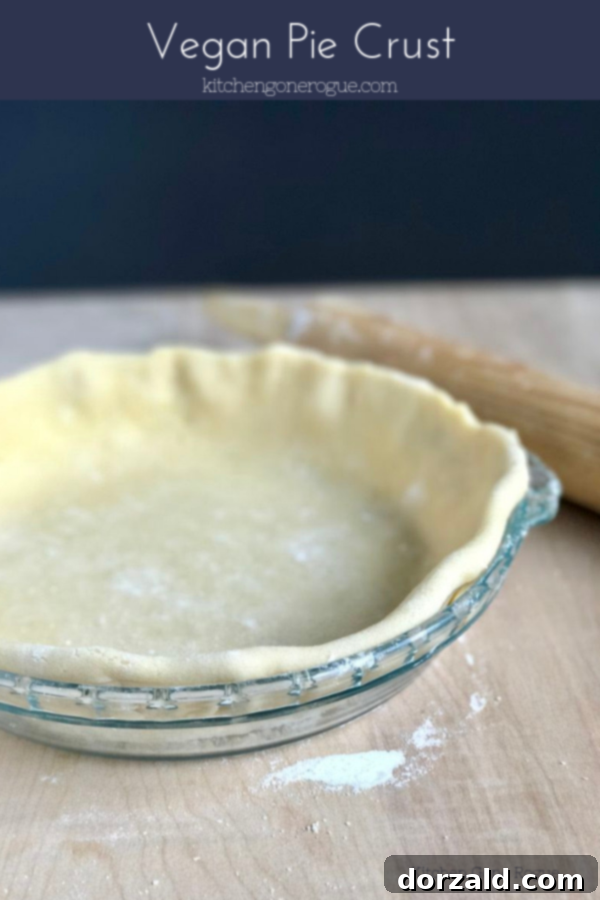
While I prefer rolling the dough out immediately, I do find it much easier to achieve beautifully shaped edges if I refrigerate the dough *after* it has been rolled, placed in the pie plate, trimmed, and tucked under. A brief chill helps firm up the dough, making it more stable for crimping or decorating, and prevents the edges from slumping during baking. I confess, making “pretty” pie edges is a perpetual challenge for me – it requires intense focus to get them just right!
Follow the Recipe Precisely
Baking is a science, and pie crust is no exception. For the best results, adhere strictly to the measurements and steps outlined in the recipe. Minor deviations can impact the delicate balance required for a flaky, tender crust.
Blind Baking for Specific Pies
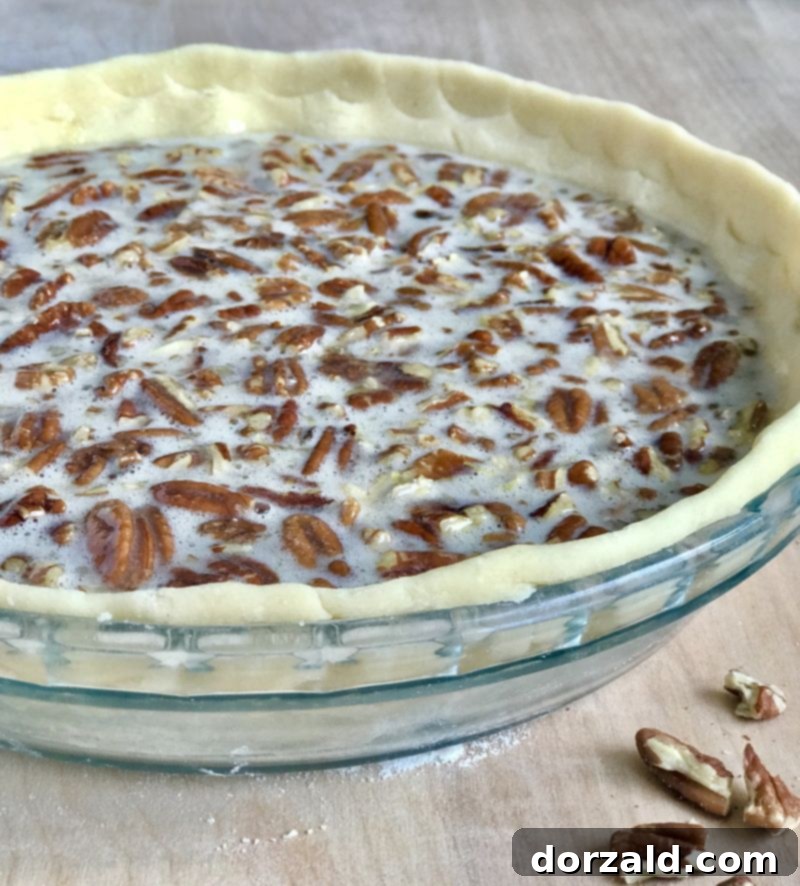
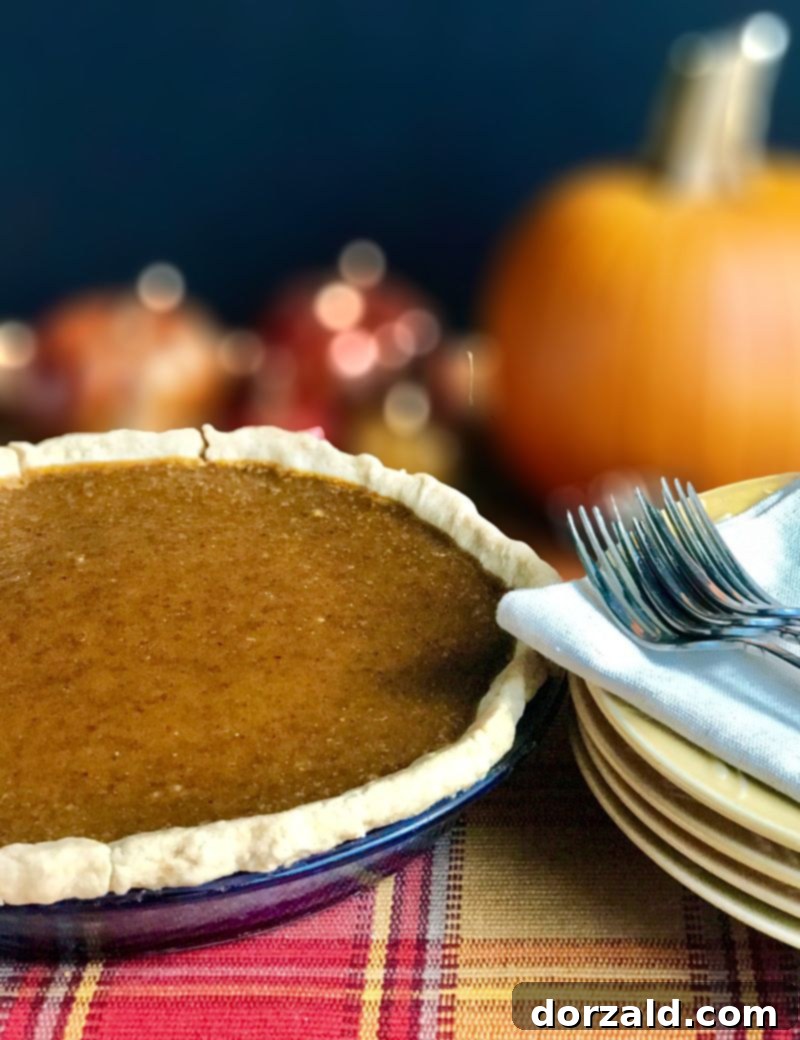
Some pie fillings, such as pumpkin, quiche, or cream pies, require a pre-baked (or blind-baked) pie shell to prevent a soggy bottom. For pies like cherry or pecan, blind baking isn’t necessary. If your recipe calls for it, here are some reliable methods:
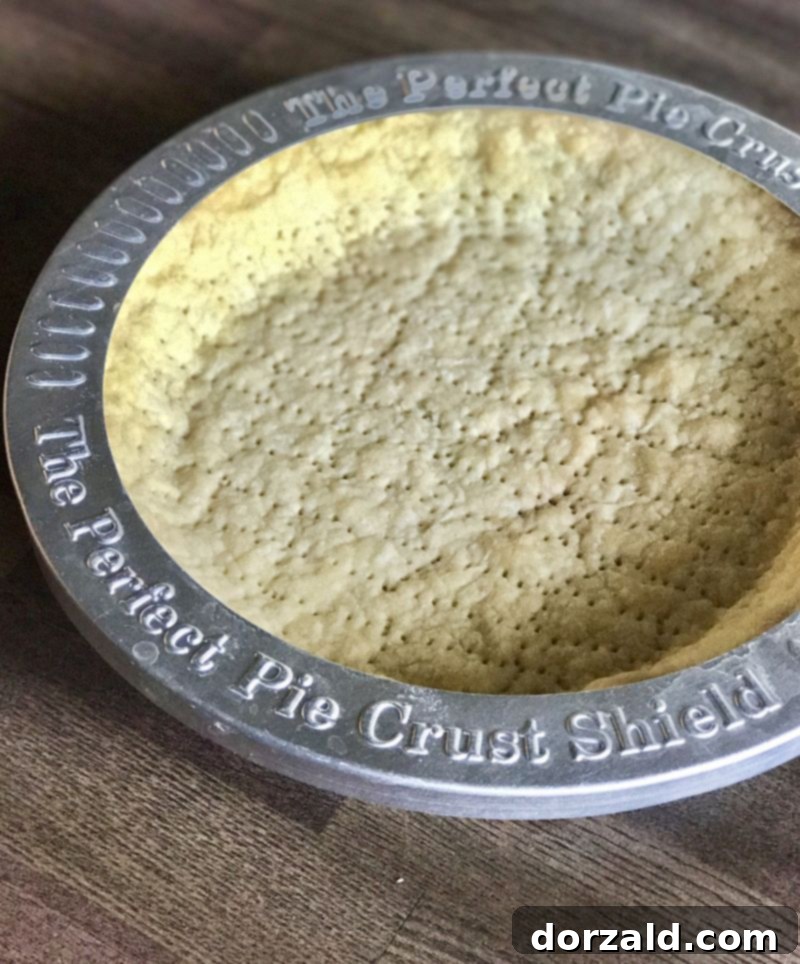
- **The Fork Pricking Method:** My mom’s trusted technique involves pricking the bottom and sides of the raw pie dough all over with a fork before baking. This allows steam to escape, preventing large bubbles. Keep an eye on it in the oven; if a spot starts to bubble, carefully prick it again.
- **Pie Weights:** For guaranteed flat results, use
Ready to create your own perfectly flaky, dairy-free pie crust? Pin this recipe, save it, and get ready to bake some incredible pies that everyone can enjoy!
Dairy-Free Pie Crust
Kelly Kirkendoll
Pin Recipe
Ingredients
- 1 1/2 cups all purpose flour
- 1 tsp sugar
- 1/4 tsp fine sea salt
- 8 Tbsp cold Earth Balance vegan buttery sticks (make sure it is cold; leave in frig until you are ready to mix)
- 4-5 Tbsp cold water (make sure it’s COLD)
Instructions
- Cut the cold buttery sticks into small, uniform pieces. Work quickly and handle them as little as possible to prevent them from warming up. I find it easiest to slice them on a cutting board and then transfer them to the mixing bowl with a knife or spatula.
- In a separate bowl, combine the all-purpose flour, sugar, and fine sea salt. Mix lightly with a whisk or fork to ensure they are evenly distributed.
- Add the cut-up “butter” pieces to the dry ingredients. Blend thoroughly using an electric mixer, food processor, or by hand with a pastry cutter or your fingertips. The goal is to achieve a texture that resembles coarse meal with some pea-sized pieces of fat still visible. In a mixer, this usually takes about 3-4 minutes.
- Gradually add 4 tablespoons of ice-cold water. Mix on low to medium-low speed, or by hand, just until the dough begins to come together. If the dough still appears too dry or crumbly, add an additional 1/2 to 1 tablespoon of cold water, one teaspoon at a time, until a cohesive dough forms. Avoid overmixing.
- Lightly flour a clean, dry, flat work surface (approximately 1/4 cup of flour should be sufficient).
- Remove the dough from the mixing bowl and gently use your hands to form it into a ball. Then, flatten the ball into a disk about 5-6 inches wide.
- Place the dough disk on the floured surface. Using a rolling pin, roll out the dough into a circular shape, striving to maintain an even thickness throughout. Aim for a circle large enough to cover your pie plate with about an inch of overhang.
- Carefully fold the rolled-out dough in half, then transfer it to your pie pan. Gently unfold the dough to cover the entire pie plate, ensuring it fits snugly into the contours.
- Press the dough gently against the sides and bottom of the pie plate. Trim any excess dough around the edge, leaving a full inch of dough hanging over the rim of the plate.
- Next, tuck that extra inch of dough underneath itself, creating a thicker, more stable edge around the rim of the pie plate.
- Chill the pie crust in the refrigerator for at least 30 minutes. After chilling, crimp the edges of the dough as desired (e.g., using your fingers or a fork). IF this is a pre-baked pie shell (as required for fillings like pumpkin pie), prick the bottom and sides of the dough all over with a fork, or fill the crust with pie weights (or dry beans/popcorn kernels in foil) to prevent it from bubbling up during baking.
- To prevent the crust’s edges from getting overdone or burning, tent them with aluminum foil or use a dedicated pie crust shield.
- Bake at 375 degrees F (190 degrees C) for 25 minutes. Baking time may vary slightly depending on your oven, so keep an eye on it for a golden-brown finish.
- If this is a pre-baked pie crust (blind-baked), allow it to cool thoroughly on a wire rack before adding your pie filling and proceeding with your pie’s specific baking instructions.
Notes
© Kitchen Gone Rogue. www.kitchengonerogue.com