Mastering Allergy-Friendly Holiday Feasts: A Comprehensive Guide for Hosts and Guests
The holiday season, especially Thanksgiving and the wider winter festivities, is a time for gathering with loved ones, sharing laughter, and, of course, enjoying delicious food. However, for many families across America, these joyful occasions also come with the unique challenge of navigating various food allergies and intolerances. If your household is fortunate enough not to contend with such dietary restrictions, count yourselves truly blessed. But if you – or cherished guests joining your holiday table – are managing food allergies or intolerances related to common culprits like dairy, gluten, eggs, soy, nuts, or more, preparation is key to a stress-free and delicious celebration for all. This guide, refined over two decades of practical experience, offers invaluable tips for both hosts and guests on successfully Navigating Food Allergies and Intolerances at the Holidays.
Beyond practical advice, I’m also here to provide culinary inspiration! You’ll find a collection of incredible allergen-free recipe remakes of traditional holiday favorites. These dishes are so remarkably delicious, you and your guests will absolutely love them, and truly, no one will be able to tell they are “free” of anything!
Essential Tips for Holiday Dinner Hosts: Ensuring an Inclusive Feast
For those who have hosted holiday dinners for many years, the prospect of accommodating food allergies might feel daunting, especially with new family members (such as in-laws or grandchildren) entering the picture. Suddenly, you might be faced with guests managing a dairy allergy, lactose intolerance, gluten intolerance, celiac disease, egg allergy, nut allergy, or a combination of several. But fear not; with a little planning and empathy, you can create a safe and welcoming environment for everyone. Here’s how:
- Initiate Open and Early Communication: The cornerstone of successful allergy management is communication. When sending out invitations, or as soon as you know your guest list, proactively ask if anyone has food allergies, intolerances, or dietary restrictions you should be aware of. Sometimes, people are shy or hesitant to speak up, leading them to either suffer uncomfortable consequences (like those with lactose intolerance) or eat very little at the dinner table. An early, direct inquiry makes them feel seen and valued.
- You Don’t Have to Overhaul the Entire Meal: This is crucial for hosts to understand. You are not expected to remake every single dish on your holiday menu to be allergen-free. I promise you, from experience, just one or two safe options – perhaps a dedicated side dish and a delicious dessert – are incredibly appreciated. If these items are homemade, that’s wonderful. However, finding quality store-bought, pre-made items that are clearly labeled allergen-free is also a perfectly acceptable and often less stressful solution!
- Empower Guests to Bring a Dish: Many guests with food allergies are more than happy to contribute a dish or two that they know is safe for them to eat, and can be shared with others. This lightens your hosting load and guarantees the guest will have at least one worry-free option. Discuss this openly and perhaps coordinate to ensure variety.
- Offer to Source Specific Allergen-Free Products: If guests are traveling from out of town, they might not be able to bring everything they need. Ask them what specific products or ingredients would make a big difference for them to prepare a safe dish or enjoy yours. For someone with a dairy allergy, simply having a dairy-free butter alternative or an unsweetened plant-based milk (like almond milk) can be incredibly helpful. For a guest with gluten sensitivity, a good quality gluten-free bread could be a game-changer.
- Extend a Warm Welcome to Your Kitchen: For guests who are new to your home or family, it’s incredibly reassuring to know they are welcome in your kitchen. Those of us managing food allergies, or caring for children with them, often need to prepare special items or store our own safe foods. A warm invitation to make themselves at home and utilize kitchen space for their dietary needs is not just helpful, it fosters trust and comfort.
- Prevent Cross-Contamination: This is paramount, especially for severe allergies. Designate separate cutting boards, utensils, and serving spoons for allergen-free dishes. Consider preparing allergen-free items first to minimize risk. Clearly label dishes on the buffet to indicate which are safe for specific allergies.
- Read Labels Diligently: Even if you’ve bought a product many times, manufacturers can change ingredients without much notice. Always read every label, every time, for every ingredient you use in an allergy-friendly dish. Be aware of common hidden allergens and “may contain” statements.
Empowering Guests: Tips for Those with Food Allergies (or those caring for others who do)
Managing food allergies during the holidays can be particularly stressful for guests, who often worry about being a burden or inadvertently causing problems. Taking proactive steps can alleviate anxiety for both you and your host, ensuring a more enjoyable experience for everyone.
- Be Proactive with Your Communication: Just as hosts should ask, guests should volunteer information early. I developed my dairy allergy as an adult, so even my own mom sometimes forgets. If I’m hesitant to remind her before a visit, I might find myself with very limited safe food options. It’s often easier to communicate with close family, but even if it’s your mother-in-law, a new partner’s family, or someone you’ve just met, it’s essential to speak up for yourself, your child, or your significant other well in advance of the holiday. Clearly state your allergies and any severity concerns.
- Plan to Bring a Safe Dish or Two to Share: If possible, bringing a side dish, a main course component, or a dessert that you or your child can safely eat is a wonderful strategy. This ensures you have at least one guaranteed safe option and contributes positively to the meal, showing appreciation for your host’s efforts. Coordinate with your host so they know what you’ll be bringing.
- Plan Ahead for Travel and Grocery Needs: For those flying or traveling long distances, strategic planning is key. This might involve packing some essential shelf-stable ingredients, asking your host if they can pick up specific allergen-free items for you, or allocating time to visit a grocery store yourself upon arrival. Researching local stores beforehand can save valuable time and stress.
- Advocate for Your Health – Speak Up! This cannot be emphasized enough. The worst-case scenario is remaining silent, leading to a situation where your host has no idea of your needs, feels terrible, and you’re left with nothing to eat except perhaps a plain piece of turkey. I’ve almost been there, and it’s an uncomfortable situation for everyone. Politely but firmly advocating for your dietary needs is crucial for your health and comfort.
- Express Sincere Gratitude for Your Host’s Efforts: If your host makes an attempt to prepare or purchase something special for you, thank them genuinely. For many, navigating food allergies is a whole new world, and they might be trying a new recipe they were initially hesitant to tackle. I’ll never forget the first time my parents bought almond milk for me, and my dad proudly made me scrambled eggs with it. It happened to be vanilla-flavored almond milk, which, as you can imagine, isn’t the best combo with scrambled eggs! But I gladly ate them and later, gently suggested that unsweetened almond milk would work better next time. Your graciousness encourages future efforts.
- Be Prepared for Emergencies: For those with severe, life-threatening allergies, always carry your emergency medication (e.g., EpiPen). Inform your host about your allergies, where your medication is stored, and how to use it if necessary. Understanding the difference between a mild intolerance and a severe allergy is vital for both guests and hosts.
Delicious Allergen-Free Holiday Side Dishes
Here’s a selection of delightful side dishes that are naturally free of common allergens, ensuring everyone at your table can enjoy the festive spread without worry:
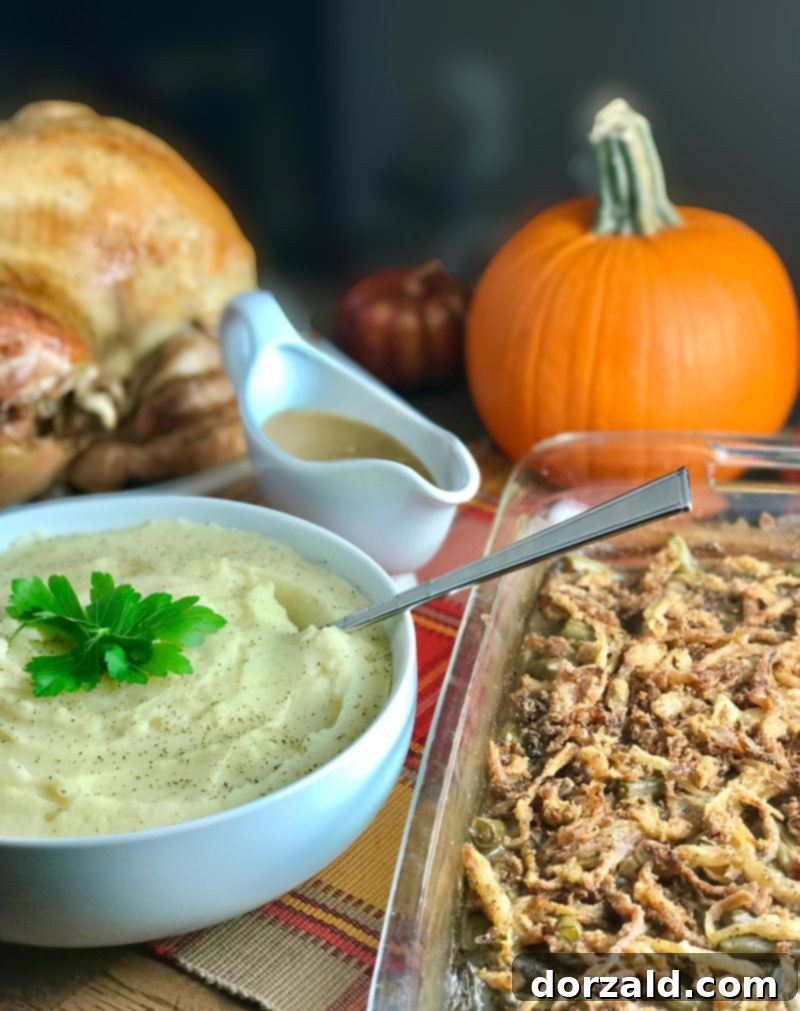
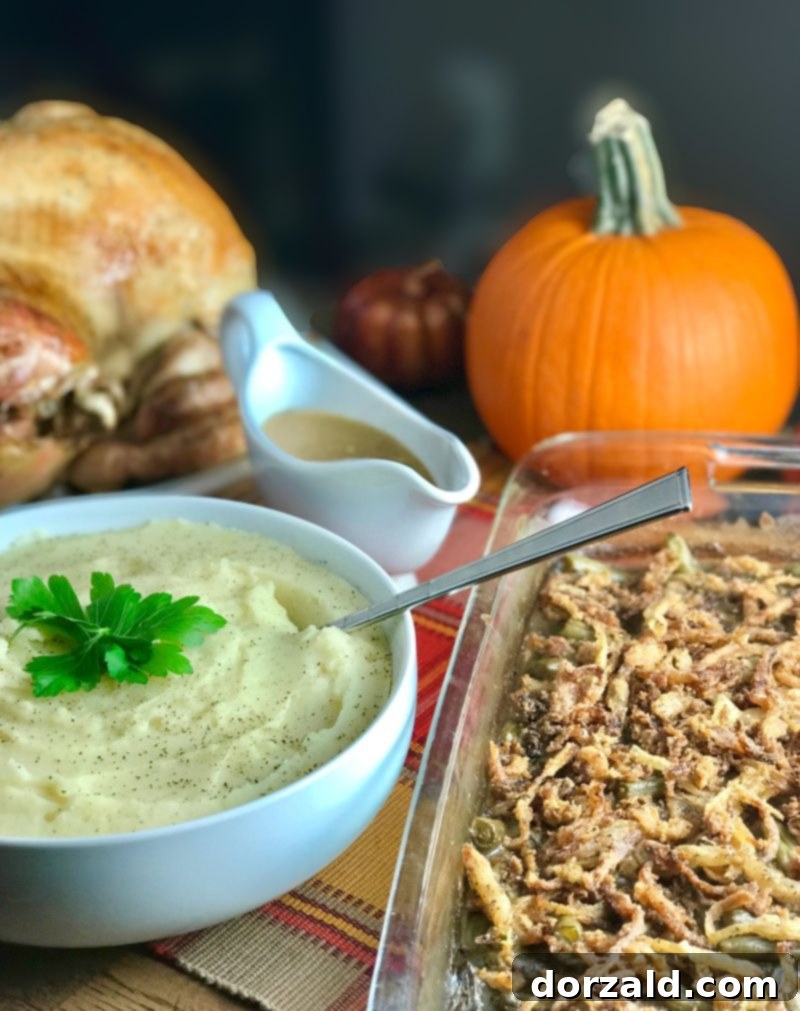
- Mashed Potatoes – Creamy dairy-free, soy-free, gluten-free, vegan mashed potatoes that are simply irresistible.
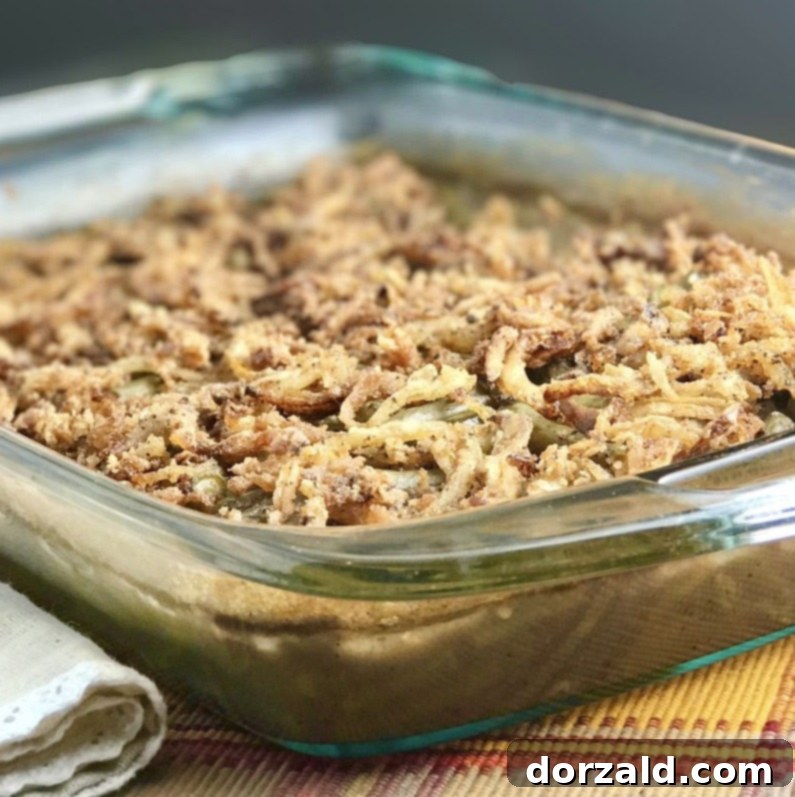
- Green Bean Casserole – A classic green bean casserole made dairy-free and gluten-free, without sacrificing any of the comforting flavor.
- Swiss Chard and Butternut Squash Gratin – A vibrant and creamy dairy-free, gluten-free, soy-free, vegan swiss chard and butternut squash gratin (the rich colors are perfect for a Christmas side dish)!
- Sweet Potato Beet Kale Salad with Candied Pecans – A refreshing dairy-free, gluten-free, soy-free holiday salad, offering a beautiful balance of flavors and textures.
- Cornbread – Sweet, tender, dairy-free, and soy-free cornbread, perfect for soaking up gravies and sauces.
- French Bread – Homemade dairy-free, soy-free, egg-free French bread, ideal for a crusty, soft accompaniment to any meal.
Decadent Allergen-Free Dessert Recipes
No holiday meal is complete without a sweet ending. These allergen-friendly dessert recipes ensure that everyone can indulge without compromise, proving that “free from” can still mean “full of flavor”:
- Irresistible Candied Pecans – A simple, sweet snack or topping that everyone will adore.
- Flaky Dairy-Free Pie Crust – This versatile crust is also vegan and can easily be made soy-free, forming the perfect base for your holiday pies.
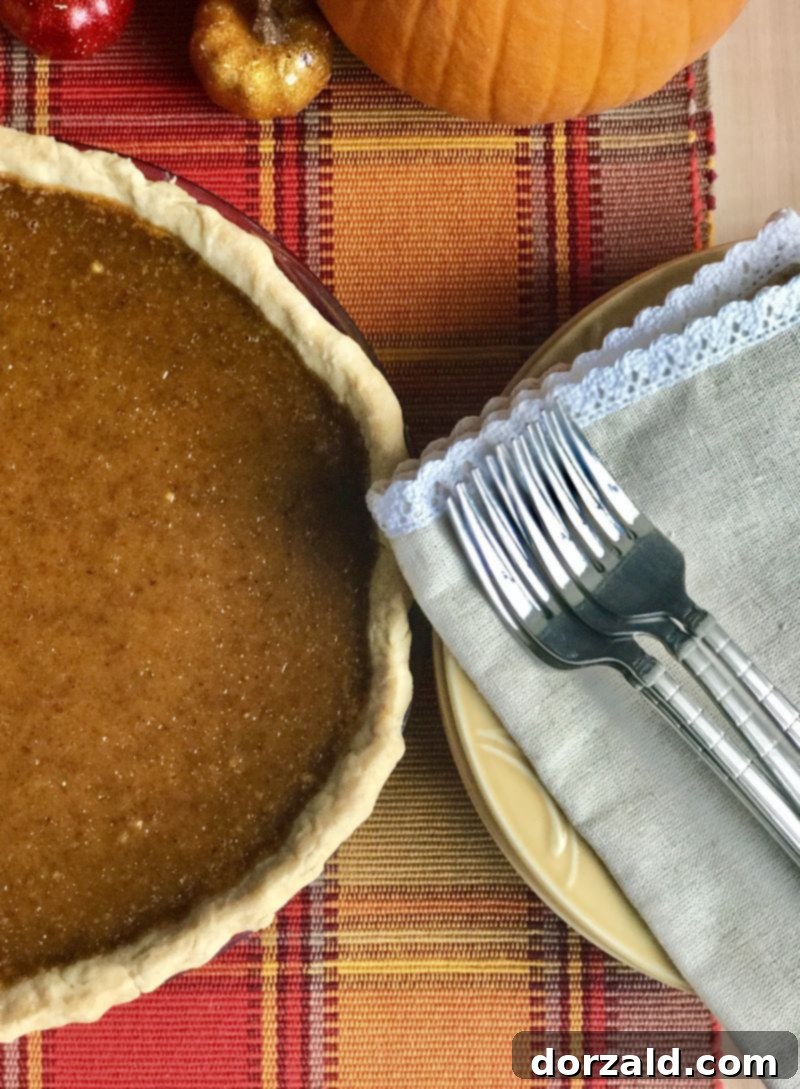
- Rich Dairy-Free Pumpkin Pie – A holiday classic, reimagined to be dairy-free and soy-free, bursting with seasonal spices.
- Tangy Dairy-Free Lemon Pecan Pie – A bright and zesty twist on a traditional pecan pie, completely dairy-free.
- Zesty Dairy-Free, Soy-Free, Egg-Free, Vegan Cherry Lime Cookies (also known as cherry pie cookies) – A delightful, fruity treat that’s friendly for multiple allergies.
- Elegant Dairy-Free, Egg-Free, Soy-Free, Gluten-Free, Vegan Lemon Almond Wine Cookies – An effortlessly sophisticated dessert, perfect for guests with multiple allergies or simply for those who appreciate a unique flavor profile.
Additional Food Allergy-Friendly Recipes for Extended Stays
If your guests are staying for several days or even a week, you’ll need more than just holiday dinner recipes. Here are some versatile, allergy-friendly recipes that everyone can enjoy throughout their visit:

- Make-Ahead Egg and Vegetable Breakfast Muffins – Easily adaptable to be dairy-free and/or gluten-free, perfect for busy mornings.
- Wholesome Gluten-Free, Dairy-Free, Egg-Free, Soy-Free, Vegan Raspberry Oatmeal Bars – A fantastic snack or light breakfast option for all.
- Quick Dairy-Free, Gluten-Free, Egg-Free, Vegan Easy Red Thai Curry Gnocchi – A flavorful and comforting meal that’s surprisingly simple to prepare.
- Hearty Chicken and Shrimp Jambalaya – This robust dish is naturally dairy-free, gluten-free, soy-free, and egg-free, packing a punch of flavor.
- Effortless Crockpot Chicken Tortilla Soup – A convenient, warming meal that’s dairy-free, gluten-free, soy-free, and egg-free.
- Comforting Dairy-Free, Gluten-Free King Ranch Chicken Casserole – A beloved classic made accessible for those with dietary restrictions.
- Moist Bundt Cake Banana Bread – A delicious dairy-free and soy-free treat that works for breakfast or dessert.
- Delicious Strawberry Banana Nut Muffins – These are vegan, dairy-free, egg-free, soy-free, and can be made nut-free by simply omitting the nuts.
For even more innovative and allergy-friendly culinary inspiration, explore all the Kitchen Gone Rogue recipes.
The Critical Importance of Reading Labels and Diligent Investigation
It’s vital to remember that not all food allergies or intolerances are created equal. I have friends who, like me, will experience discomfort or illness but won’t require hospitalization if they accidentally ingest a small amount of a trigger food. However, I also know many individuals who have severe, life-threatening food allergies where even trace amounts can lead to anaphylaxis.
If you’re the host, it is your responsibility to inquire about the severity of your guests’ allergies. Understand whether cross-contamination is a minor inconvenience or a medical emergency. If you’re the guest, it is absolutely essential to clearly communicate the nature and severity of your allergy to your host. Never assume they understand the risks.
Beyond simply checking ingredient lists, diligent investigation means understanding “may contain” warnings, asking about shared equipment in commercial kitchens, and if ever in doubt, politely declining a dish. Prioritizing safety over politeness is always the correct choice.
Best wishes for a joyous, safe, inclusive, and truly tasty holiday season for you and all your loved ones!

Get My 10 Tips for Going Dairy-Free
Struggling to eat or cook dairy-free? Get my free guide.