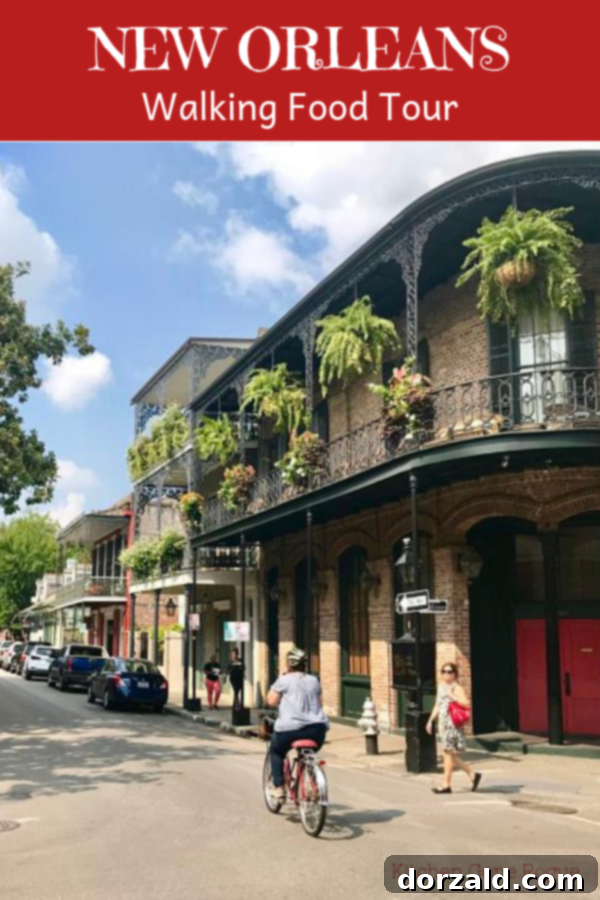
Unforgettable Flavors & History: A Culinary Journey Through New Orleans
My inaugural journey to the vibrant heart of the American South, affectionately known as the Big Easy, was nothing short of a revelation. Eager to immerse myself in the city’s legendary culture, I embarked on a New Orleans Walking Food Tour, meticulously organized by Custom Conventions and expertly guided by Marc Preuss and Carling Dinkler. It quickly became apparent that in New Orleans, a food tour transcends mere culinary exploration; it is an profound dive into centuries of history, a narrative told through delectable dishes and iconic landmarks. The city’s rich tapestry of cultures – French, Spanish, African, and Caribbean – has intricately woven itself into every aspect of its cuisine and architecture, making each bite and every step a step back in time. This was not just a tasting adventure; it was a living, breathing history lesson served with a side of unparalleled flavor.
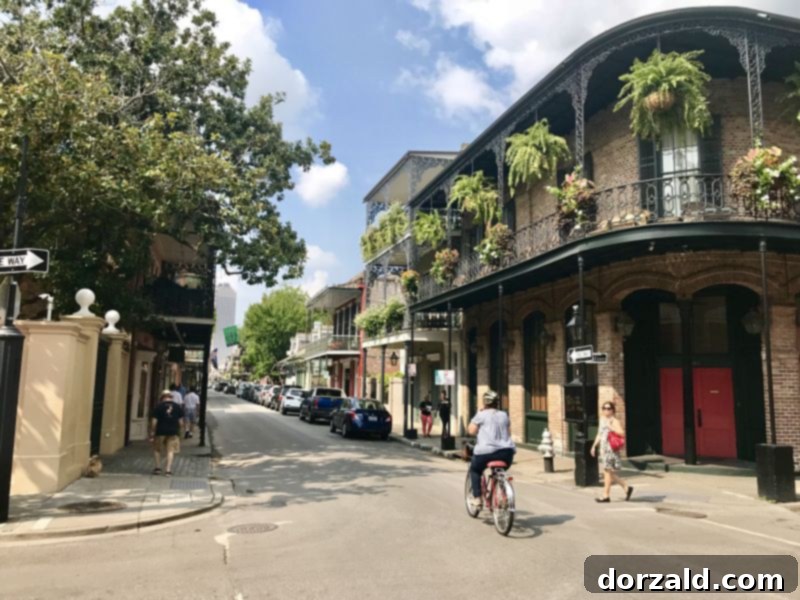
The Historic Napoleon House: A Taste of European Intrigue
Our culinary and historical expedition commenced at the venerable Napoleon House restaurant, a building so steeped in legend and architectural grandeur that it was rightfully designated a national landmark in 1970. The name itself, Napoleon House, immediately conjures images of European aristocracy and political drama, and indeed, it refers to none other than the legendary French Emperor, Napoleon Bonaparte himself. Located deep within the enchanting labyrinth of the French Quarter, this architectural gem was initially constructed in 1794. It underwent a significant expansion in 1814 under the ownership of Mayor Nicolas Girod, who transformed it into one of the grandest residences of its era.
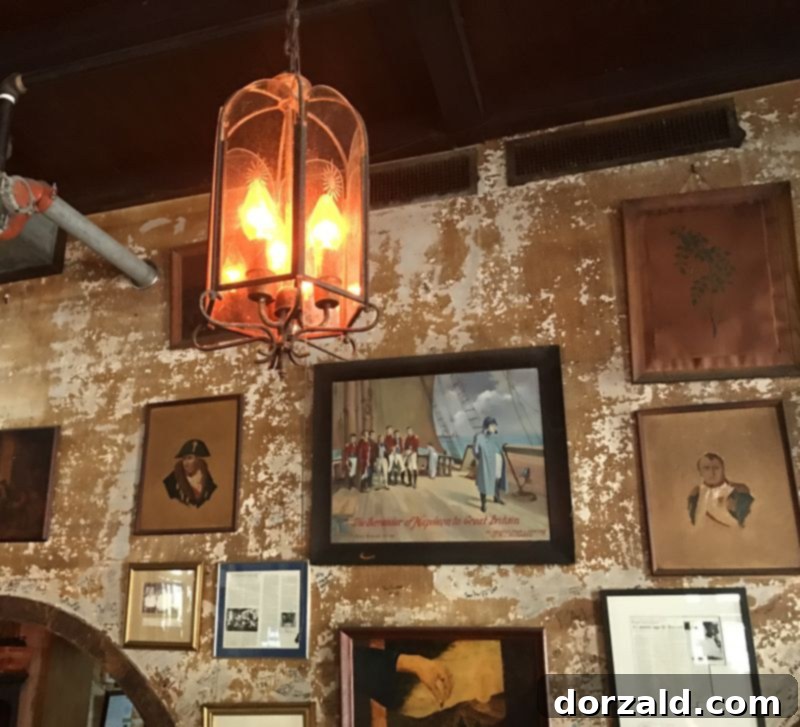
Despite Girod’s ownership, the house became universally known as the Napoleon House. This curious nomenclature stems from a pervasive and captivating rumor that took hold across New Orleans: Mayor Girod was purportedly preparing the stately home as a sanctuary for Napoleon Bonaparte, offering him refuge in exile after his defeat. The whispers persisted for years, painting a vivid picture of the exiled emperor living out his days in the heart of the French Quarter. The news of Napoleon’s death in 1821 ultimately put a definitive end to these grand plans and the associated rumors, though the name, and the legend, endured, permanently etching this historical narrative into the building’s identity.
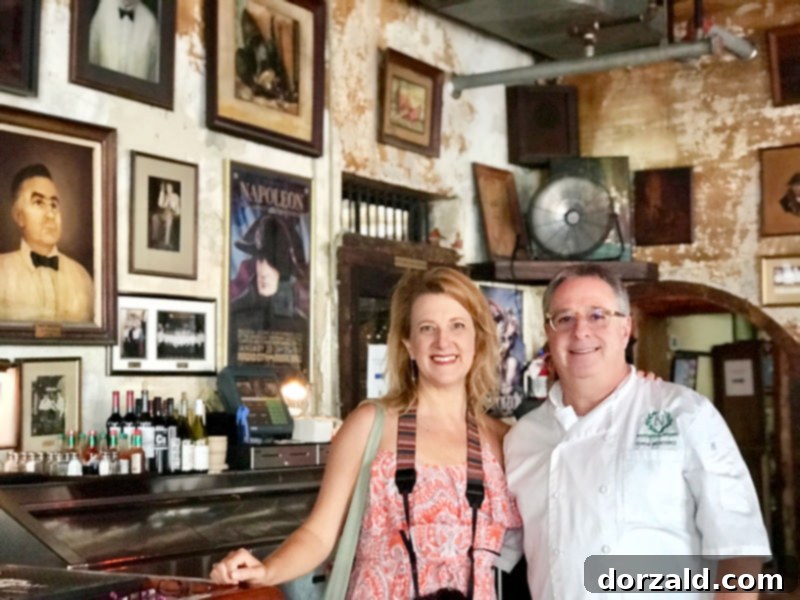
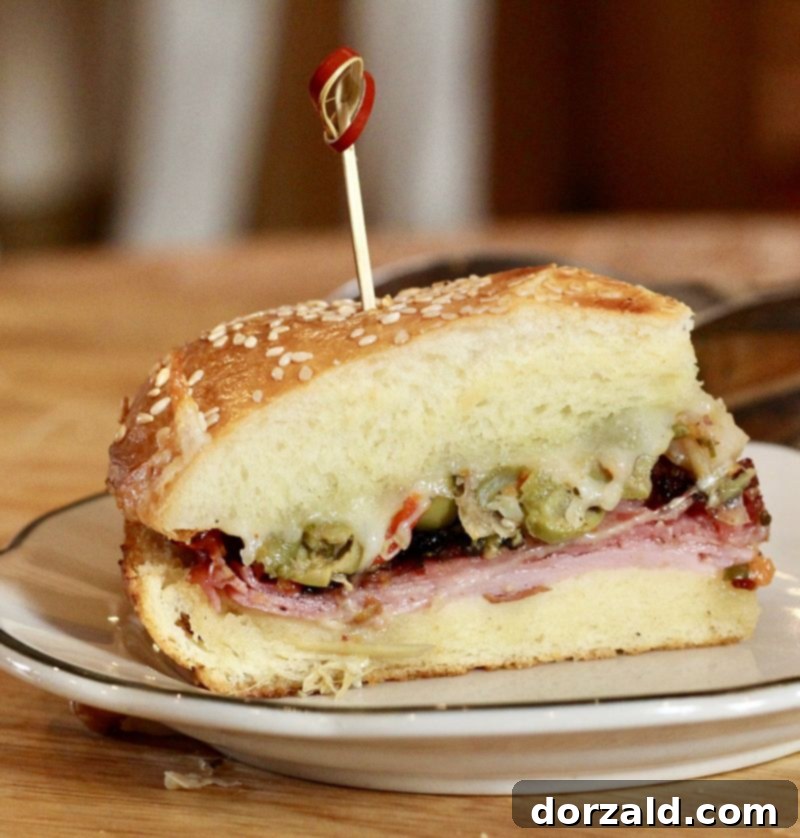
During our stop, Executive Chef Chris Montero (pictured above with me) not only provided us with a captivating and comprehensive history lesson about the house and its illustrious namesake but also treated us to generous samples of their iconic muffaletta sandwiches. Served warm, these sandwiches were a sublime interpretation of the New Orleans classic. Each bite was a harmonious blend of cured meats, cheeses, and a tangy olive salad, all nestled within a robust, freshly baked bread. The bread itself was a revelation – hearty, flavorful, and perfectly toasted, it was so exquisitely delicious that I could have easily devoured an entire loaf. This initial tasting experience set a high bar for the rest of our culinary adventure, perfectly blending historical intrigue with unforgettable flavors.
Jackson Square: The Rhythmic Pulse of the French Quarter
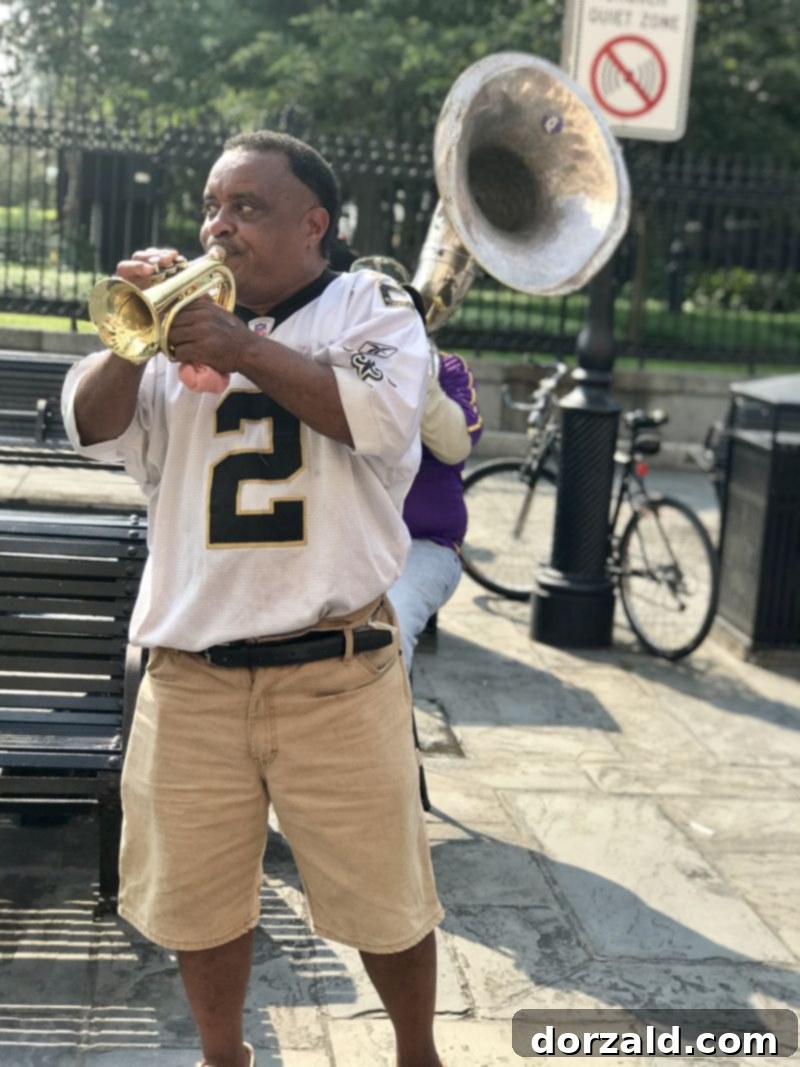
From the storied halls of the Napoleon House, our group ventured into the vibrant expanse of Jackson Square, the historical heart of the French Quarter. This iconic public park, framed by impressive architectural landmarks, immediately captivated us with its lively atmosphere. As we strolled through the square, we were greeted by an impromptu symphony of festive live music emanating from talented street performers. The infectious rhythms, a quintessential soundtrack to New Orleans life, proved utterly irresistible.
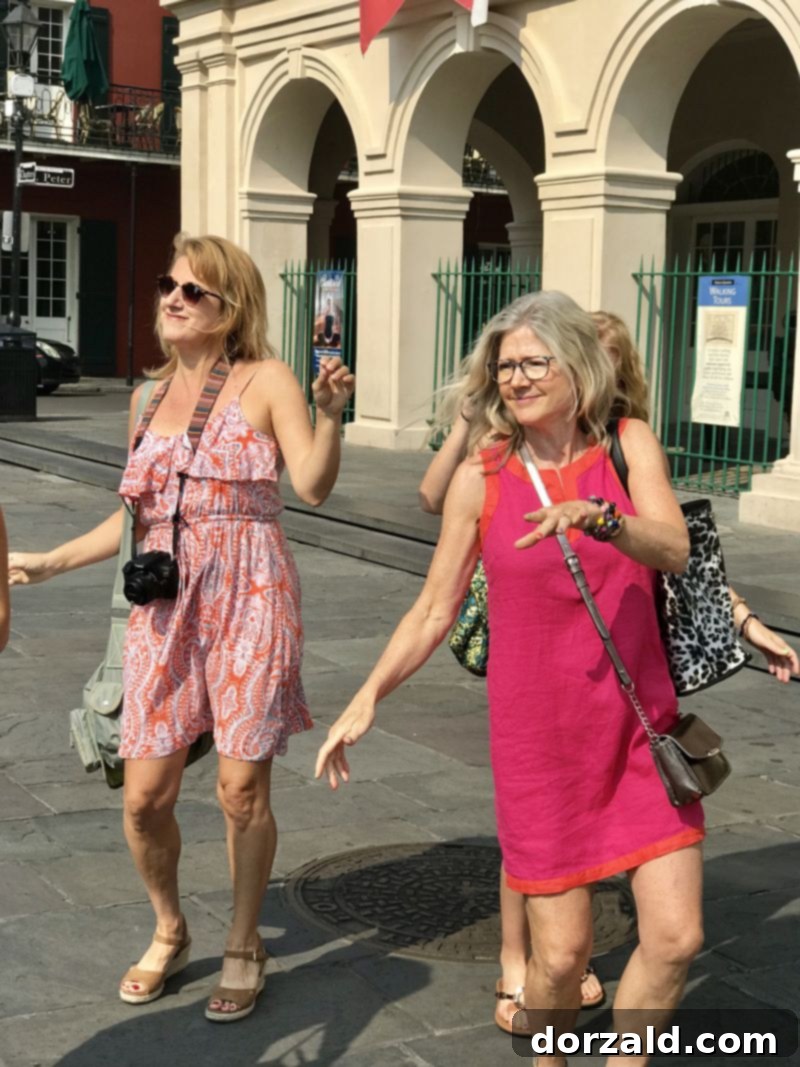
Before we knew it, several members of our tour group, including myself (pictured on the left), found ourselves spontaneously dancing to the joyous tunes. While technically within the confines of Jackson Square, the feeling was akin to dancing through the very streets of New Orleans, an experience that perfectly encapsulates the city’s free-spirited and celebratory nature. The energy was palpable, a testament to the magnetic charm of the Big Easy.
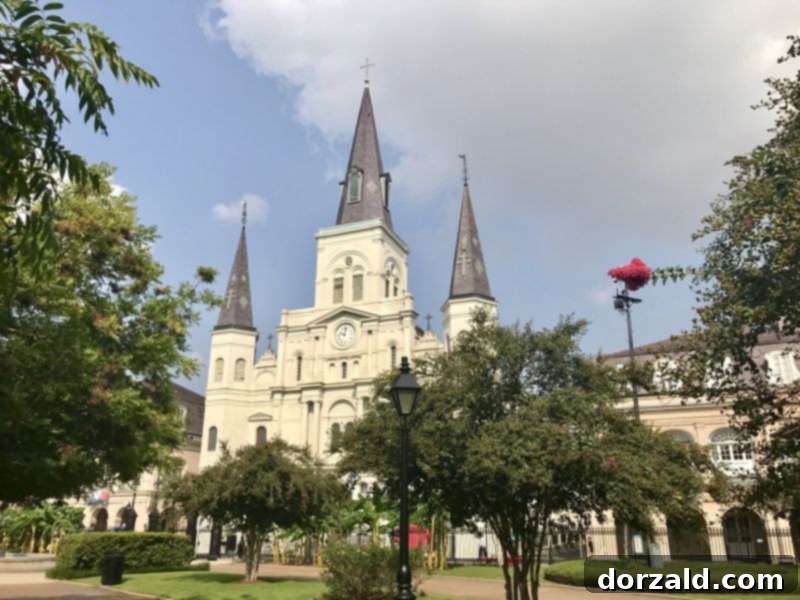
After soaking in the sights and sounds, and capturing several photographs of the magnificent St. Louis Cathedral – a breathtaking architectural marvel that proudly stands as the oldest continually active cathedral in North America – our journey continued. Jackson Square provided not just a sensory delight but also a powerful reminder of New Orleans’ profound historical and spiritual roots, preparing us for the next delicious stop on our walking food tour.
Cafe Du Monde: The Legendary Beignet Experience
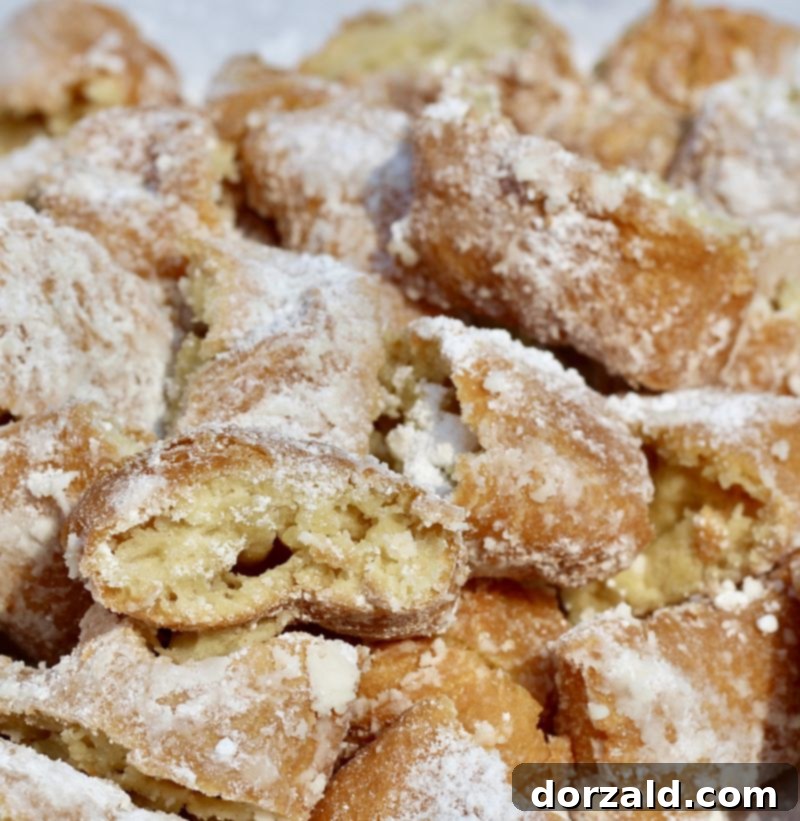
Our next highly anticipated destination was the world-renowned Cafe Du Monde, an absolute institution in New Orleans and a pilgrimage site for anyone seeking the city’s most iconic sweet treat. It was here that I was finally introduced to my very first beignet. My preconceived notions had led me to expect something akin to a square-shaped doughnut generously dusted with powdered sugar. However, the reality of the Cafe Du Monde beignet far surpassed any such expectation. These ethereal pastries were something else entirely – lighter, airier, and with a delicate crispness that set them apart. The experience was transformative; they were, without a doubt, much, much better than any doughnut I had ever encountered.
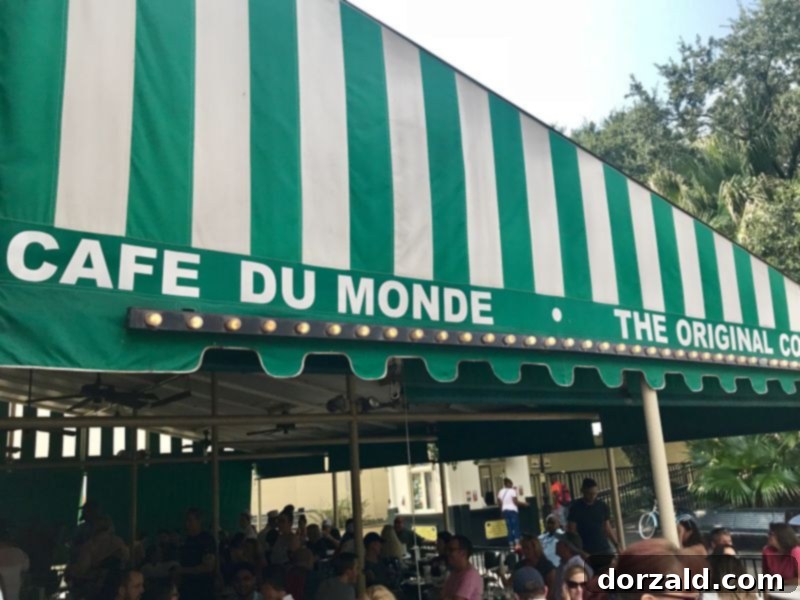
Cafe Du Monde is famously known for its perpetually long lines, a testament to its popularity and the irresistible allure of its beignets and chicory coffee. Yet, thanks to the expert coordination of our tour, we were granted the special privilege of bypassing the queue, proceeding directly to a designated area at the back where platters of warm, sugar-dusted beignets were brought out specifically for us. This exclusive access made the experience even more delightful, allowing us to savor the moment without the typical wait.
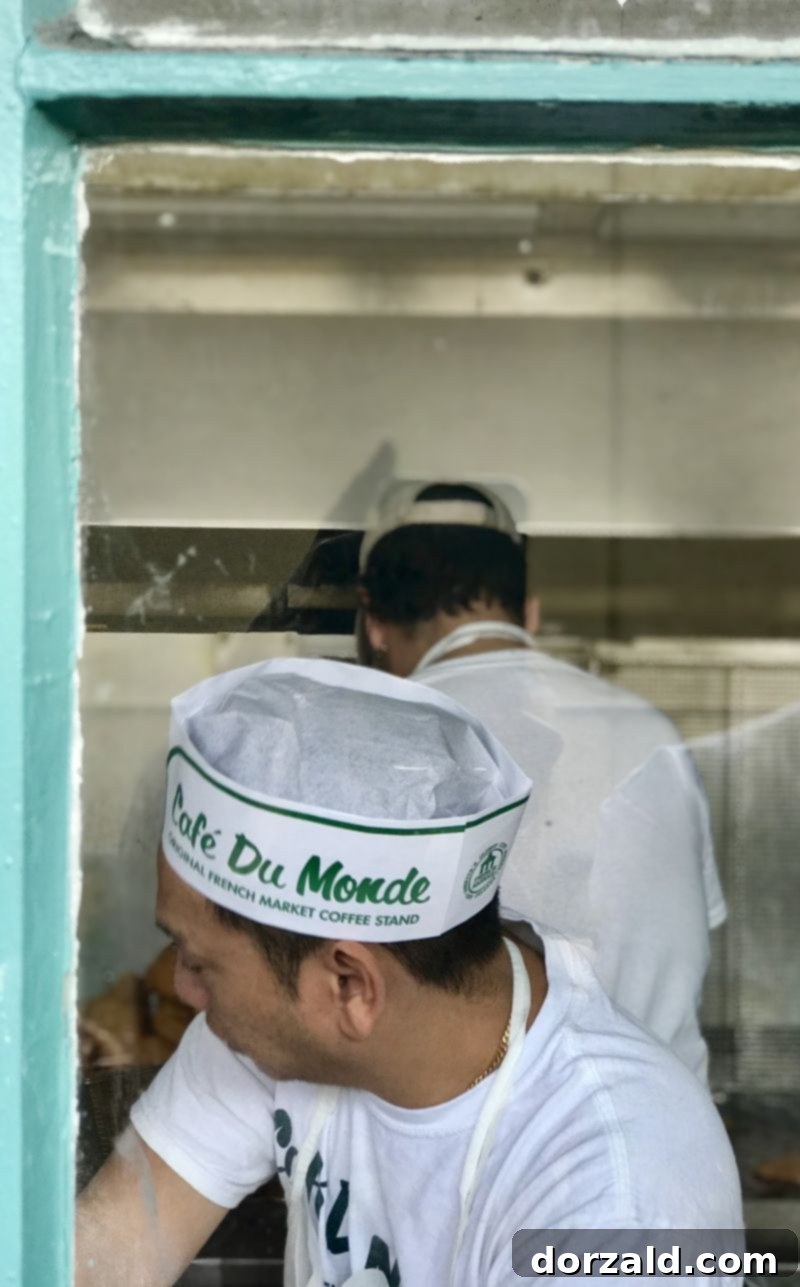
The temptation to consume the entire tray was immense, a true test of self-control for any foodie. However, remembering the proper etiquette instilled by my mother, I managed to restrain myself. My attention was soon diverted by a fascinating window at the back of the establishment. Through it, we could observe the mesmerizing process of beignet creation: skilled bakers mixing the dough, expertly rolling it out, and then swiftly cutting the signature squares before they made their way to the fryer. This peek behind the scenes added another layer of appreciation for this beloved New Orleans delicacy, connecting us to the craft and tradition behind every fluffy, sugary bite.
Broussard’s & The Preuss Family: A Royal Welcome
What unfolded next on our New Orleans Walking Food Tour was an exceptionally unique and personal treat, a truly special moment that transcended a typical culinary stop. We were granted the extraordinary opportunity to meet and be welcomed into the private home of the iconic New Orleans chef, Gunter Preuss. Stepping across the threshold, we weren’t just encountering food royalty; we were guests in their intimate sanctuary, experiencing genuine Southern hospitality firsthand. Inside, we had the immense pleasure of sampling his beautiful wife Evelyn’s homemade jambalaya, a dish that instantly resonated with my foodie palate – prepared with a depth of flavor and authenticity that only a true home cook can achieve. Each spoonful was a warm, comforting embrace of Creole spices and ingredients, a testament to generations of culinary wisdom.

Chef Gunter Preuss is a legend in the New Orleans culinary scene, having owned and successfully operated the famous Broussard’s restaurant for many years until his recent retirement. His illustrious career includes the distinct honor of having cooked for The Pope during his visit to NOLA and being prominently featured in the esteemed PBS series “Great Chefs of New Orleans.” His influence on the city’s fine dining landscape is undeniable. However, within the cozy confines of his home, it is his wife, Evelyn, who reigns as the undisputed chief cook. Her magnificent pot of jambalaya, brimming with robust flavors and tender ingredients, was devoured with incredible speed by our eager group of food influencers, all of whom were in town for the 2018 International Food Bloggers Conference. The shared meal, filled with laughter and stories, forged an unforgettable connection, highlighting the warmth and generosity that define New Orleans culture.

Despite the oppressive August heat and humidity that New Orleans is famous for, our faces were alight with smiles. The sheer joy of the experience, combined with the phenomenal jambalaya, made any discomfort utterly forgettable. This stop was a poignant reminder that the true heart of New Orleans cuisine lies not just in its famous restaurants, but in the family kitchens where traditions are cherished and passed down through generations, making every meal a celebration.
Antoine’s New Orleans: A Culinary Institution Since 1840
Our journey through New Orleans’ culinary past led us next to Antoine’s, a venerable institution established in 1840, nestled in the historic heart of the French Quarter. Antoine’s holds the distinguished title of being the oldest continuously operating restaurant in America, a testament to its enduring legacy and timeless appeal. Remarkably, it remains under the stewardship of its founding family, a lineage that has carefully preserved its traditions and culinary excellence for over 180 years. This is not merely a restaurant; it is a living museum of gastronomy, the very place where the world-renowned Oysters Rockefeller were famously invented, forever cementing its place in culinary history.
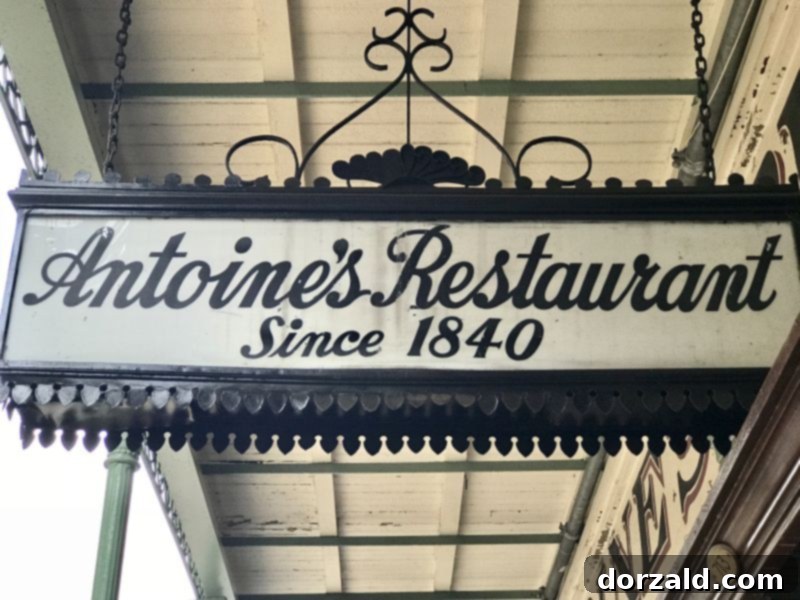
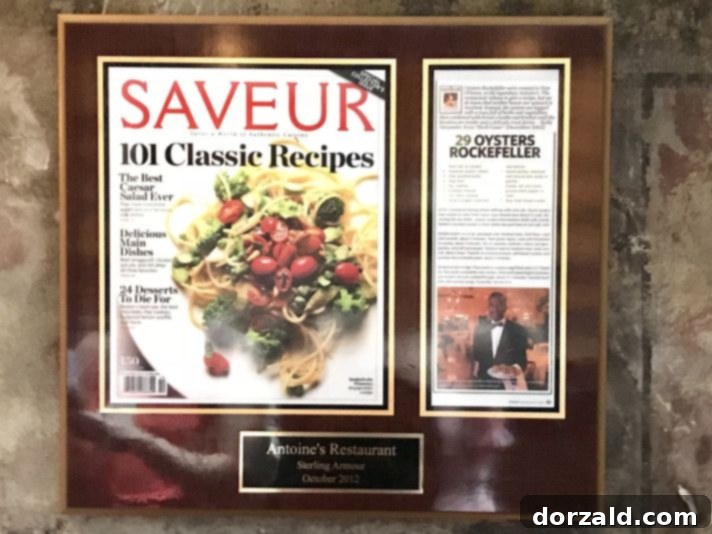
We were privileged to receive a captivating tour led by the unforgettable Sterling Armour, a server whose charm, encyclopedic knowledge, and delightful humor have made him a local legend. Sterling, whose photograph proudly graces a plaque (seen below, featured in *Saveur* magazine), guided us through the restaurant’s labyrinthine dining rooms, each with its own unique history and ambiance. During our immersive tour, we were also treated to samples of Antoine’s exquisite soufflé potatoes. These delicate creations were unlike anything I had ever tasted: impossibly puffed and light as air on the inside, yet perfectly crisp and subtly salty on the outside. They were, in a single word, YUM!
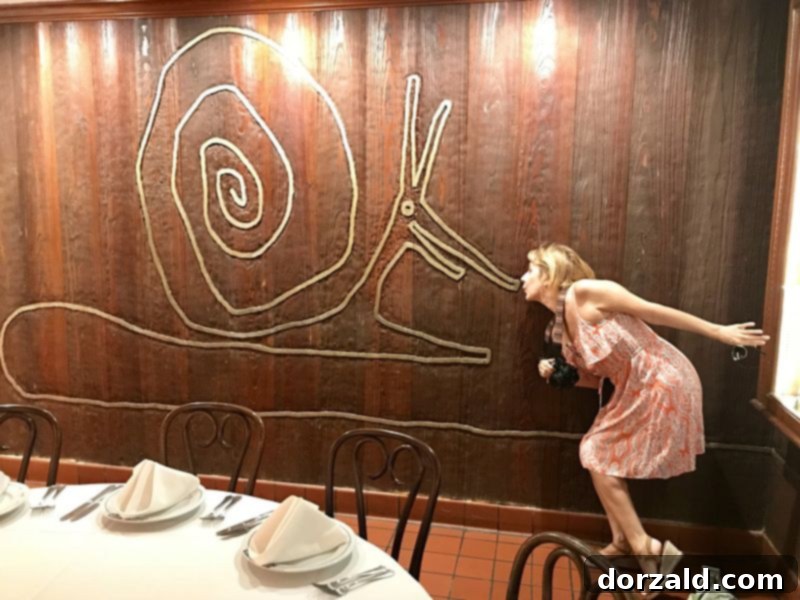
Beyond the celebrated Oysters Rockefeller and the unique soufflé potatoes, Antoine’s escargot is another menu favorite, revered by generations of diners. As we explored the restaurant’s many opulent rooms, I found myself utterly enchanted by a charming snail motif adorning one of the walls. In a moment of pure delight, perhaps fueled by the lingering August heat and a touch of blissful dehydration, or more likely, my inherently goofy nature, I simply had to lean in and give the cute snail a little kiss. Such is the infectious charm of New Orleans and its historic establishments, prompting spontaneous, joyful acts that make memories truly unique.
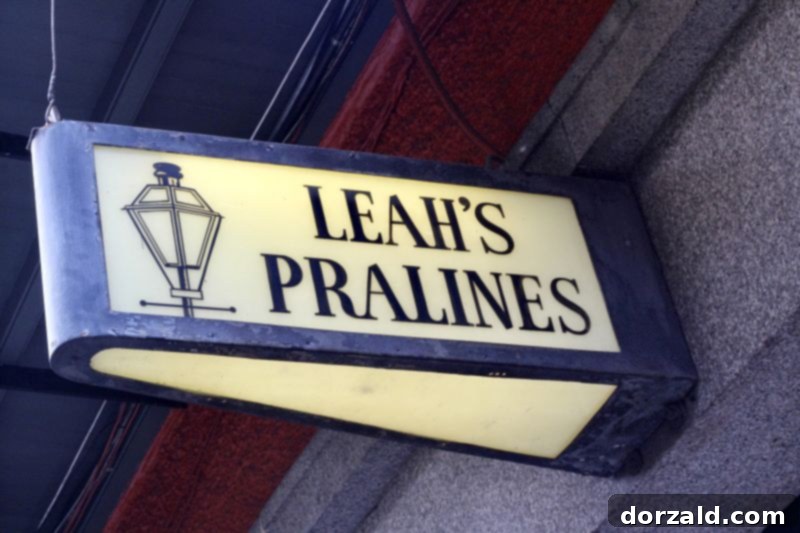
Our extraordinary culinary and historical journey culminated just across the street from Antoine’s, with a sweet and satisfying stop at Leah’s Pralines. Here, we indulged in samples of their exquisite, handcrafted pralines, each a perfect bite of Southern confectionary tradition. My absolute favorite was the bacon pecan brittle – an unexpected yet utterly harmonious blend of sweet, salty, and smoky flavors that left a lasting impression. It was a spectacular end to a truly magnificent tour, encapsulating the diverse and delightful palate of New Orleans.
Reflecting on the New Orleans Walking Food Tour: Tips for Your Visit
This walking food tour was, without a doubt, an investment well worth its cost and the three hours it encompassed. My phone’s activity tracker indicated we covered approximately four miles, a gratifying distance that I optimistically believe helped to walk off the generous food samples. If not, the renowned August heat and humidity of New Orleans surely assisted in sweating them off! For anyone planning to embark on a similar adventure, I offer a few essential recommendations: always carry a bottle of water to stay hydrated, don comfortable walking shoes, and be prepared to pin up your hair to combat the heat and humidity. Furthermore, I strongly advise eating a light breakfast beforehand. Anticipating that a food tour would leave us utterly stuffed, many of us skipped breakfast, only to find ourselves surprisingly hungry by noon when the tour concluded. While the samples were plentiful, they serve as delightful tasters rather than a full meal.
New Orleans Walking Food Tour: A Feast for All Senses
New Orleans truly is a unique, dynamic cultural mashup, a city where every corner offers something new to see, an enticing aroma to smell, an unforgettable flavor to taste, and a captivating sound to hear. My three days there barely scratched the surface, and I am already yearning to return and delve deeper into its boundless charms. In the interim, allow me to share a few more visual glimpses of the captivating sights we encountered along our enriching New Orleans Walking Food Tour, each photograph telling a story of this extraordinary city.

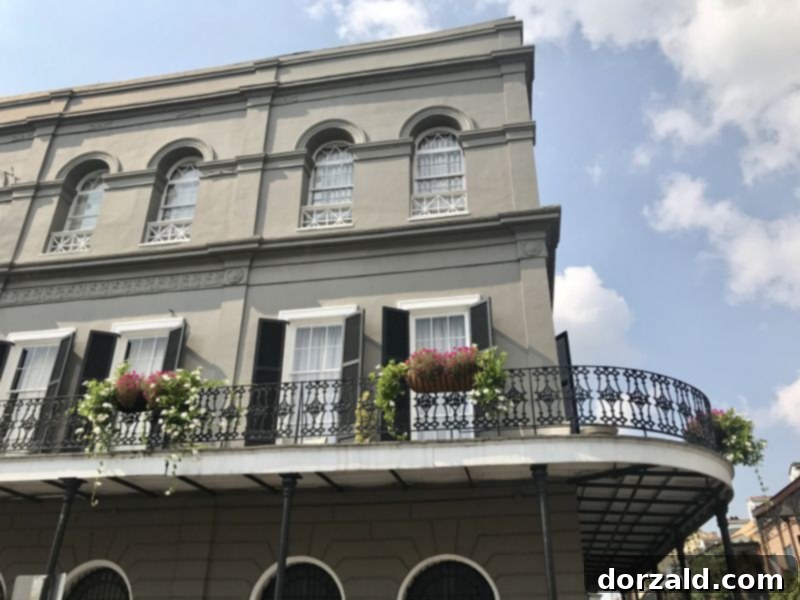
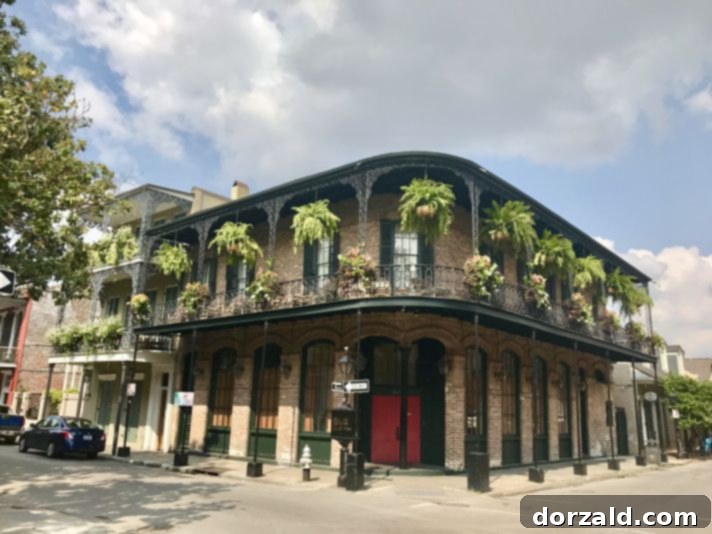
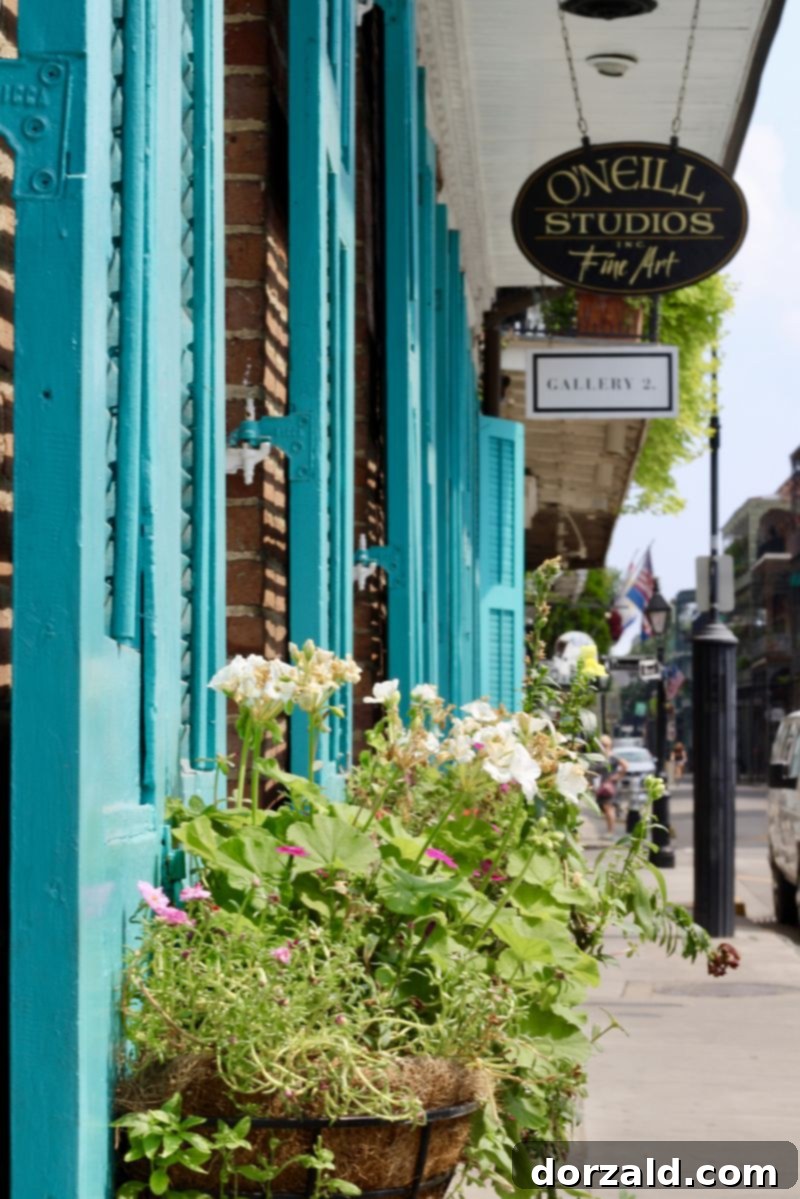
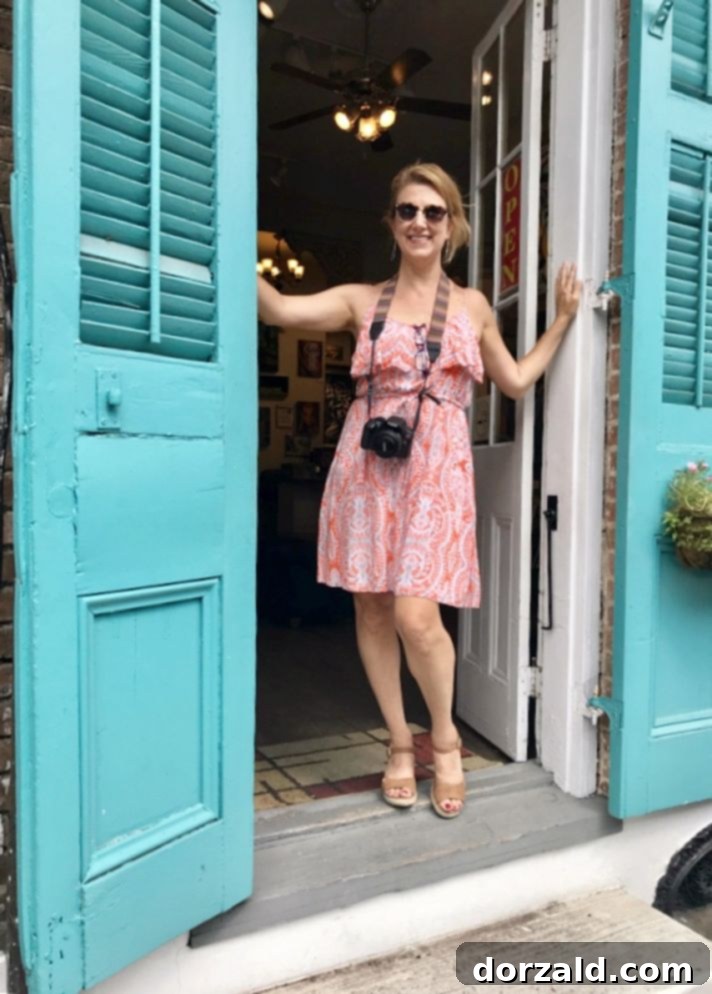
Indeed, New Orleans beckons one to truly “Laissez les bon temps rouler!” – Let the good times roll! This city is an experience for the ages, a place that leaves an indelible mark on your heart and your palate.
Be sure to pin this article or save it for your next, or perhaps your very first, incredible trip to NOLA!