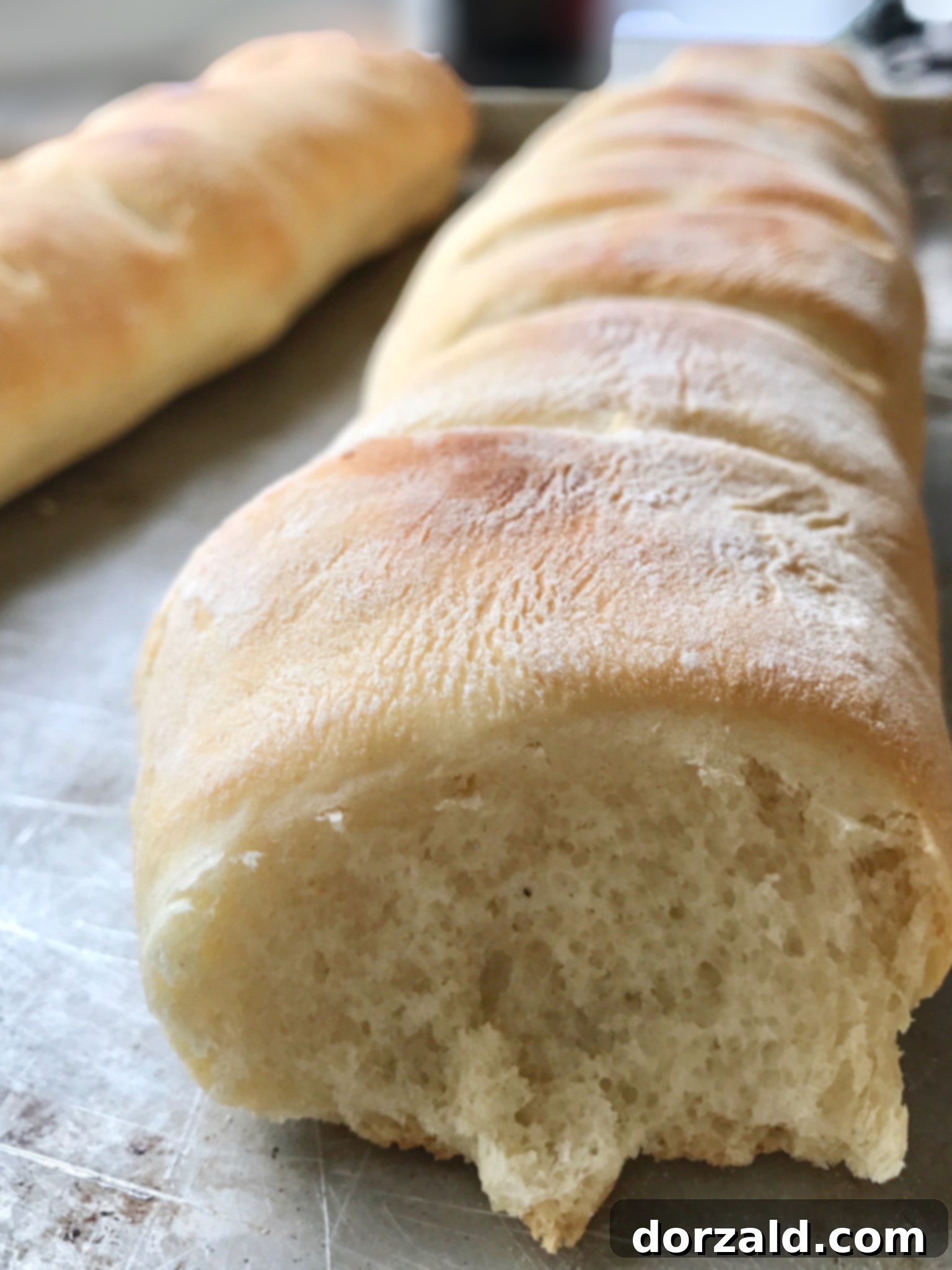
Master the Art of Homemade French Bread: An Easy Bread Machine Recipe for Perfectly Crispy Loaves
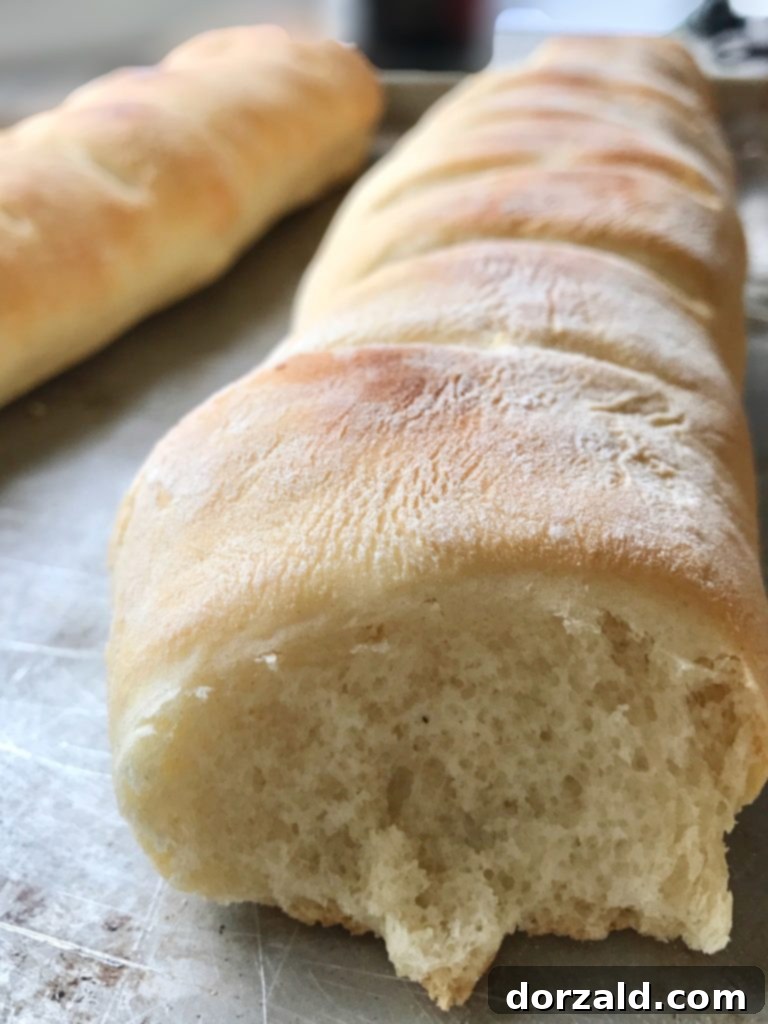
There’s truly nothing quite like the irresistible aroma and delightful taste of warm, freshly baked bread. This homemade French bread recipe promises to deliver that sublime experience right in your kitchen, simplifying the baking process with the help of your trusty bread machine. Using its dedicated dough program, you can easily prepare perfect French bread that’s wonderfully crusty on the outside and soft and airy on the inside. This versatile bread is the ideal companion for an array of dishes, from comforting French onion soup to hearty jambalaya, and it’s fantastic for making delectable meatball subs with homemade meatballs. It pairs beautifully with any soup or pasta dish, elevating your meal with its artisanal touch. And let’s be honest, sometimes the best way to enjoy it is simply on its own, slathered with butter, a sweet chocolate spread, or just plain for that pure, unadulterated bread bliss.
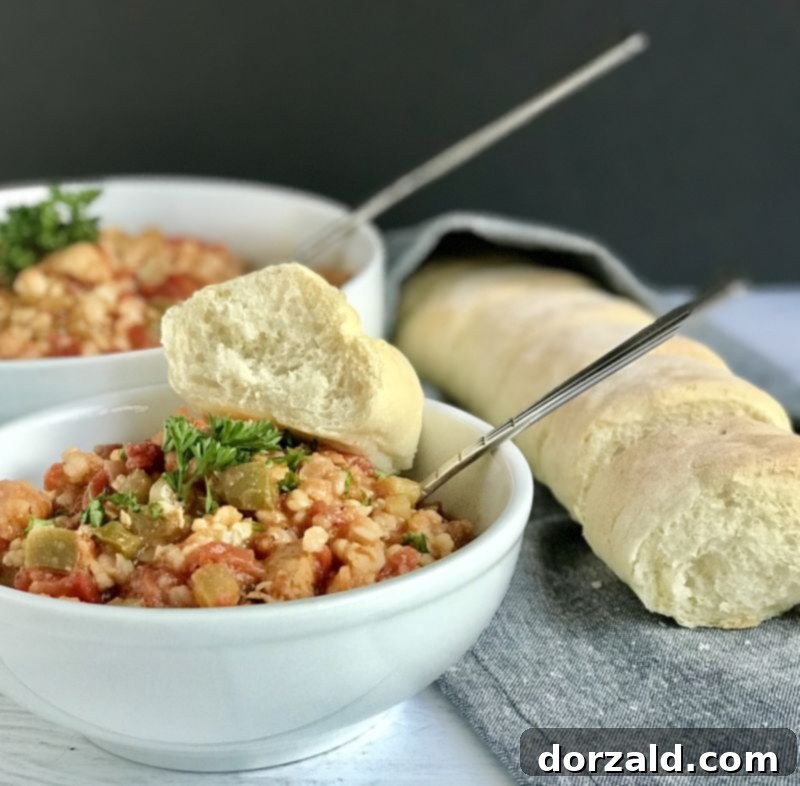
Elevate Your Meal: Homemade French Bread and Beyond
While this recipe yields a classic French loaf, its versatility extends to various delightful modifications. Imagine transforming your fresh bread into a savory delight with just a few extra steps. Craving some homemade garlic bread? It’s incredibly simple! Just a few minutes before your French bread is done baking, prepare a luscious mixture of melted butter infused with garlic powder, or opt for a healthier version with olive oil and garlic powder. Generously brush this aromatic spread over each loaf, then return them to the oven for another two to three minutes until golden and fragrant. This quick hack provides a burst of garlicky flavor that’s perfect for accompanying pasta, pizza, or just enjoying as a savory snack.
Customizing Your French Bread: Ideas for Every Palate
The beauty of homemade bread lies in its endless customization possibilities. Don’t stop at garlic bread! Consider these variations to keep things exciting and impress your family and friends:
- Herbed French Bread: Incorporate dried herbs like rosemary, thyme, or oregano directly into the dough during the kneading cycle, or brush them onto the loaves with olive oil before baking for an aromatic and rustic twist.
- Cheesy French Bread: For a gooey and delicious cheesy loaf, sprinkle shredded Parmesan, mozzarella, or a blend of Italian cheeses over the loaves during the last 5-10 minutes of baking. The cheese will melt and become wonderfully golden.
- Olive or Sun-Dried Tomato Bread: Add finely chopped Kalamata olives or sun-dried tomatoes (drained and patted dry) to the dough during the last few minutes of the bread machine’s kneading cycle to infuse your French bread with a delightful Mediterranean flair.
- Sesame Seed or Poppy Seed Topping: Before the final proofing or just prior to baking, lightly brush the loaves with an egg wash or water and sprinkle generously with sesame or poppy seeds for added crunch, visual appeal, and a subtle nutty flavor.
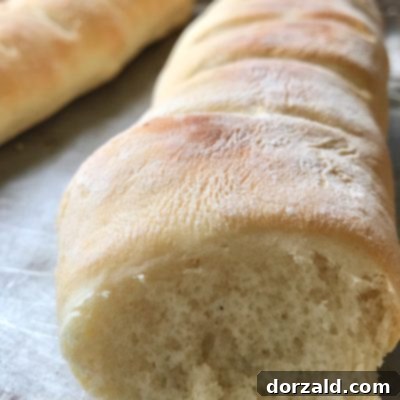
Easy Bread Machine French Bread Recipe
Kelly Kirkendoll
Pin Recipe
Ingredients
- 1 cup warm water (around 105-115°F / 40-46°C for optimal yeast activation)
- 2 1/2 cups bread flour (high in protein for best French bread texture)
- 1 Tbsp sugar (granulated, feeds the yeast and adds a touch of sweetness)
- 1 tsp salt (essential for balancing flavor and strengthening gluten)
- 1 tsp garlic powder (optional, for a subtle savory depth)
- 1 1/2 tsp active dry yeast (make sure it’s fresh for best results)
Instructions
- Carefully add all the listed ingredients into your bread machine pan, following the order specified. This usually means liquids first, then dry ingredients, with yeast placed last on top of the flour to prevent premature activation.
- Select and start your bread machine’s “Dough” program. About halfway through the kneading cycle (typically after 10-15 minutes), check the consistency of the dough. It should form a soft, cohesive ball that pulls away cleanly from the sides of the pan. If it appears too wet or sticky, add flour one tablespoon at a time; if it’s too dry, add water one teaspoon at a time until the desired consistency is reached.
- Once the dough program finishes, gently remove the risen dough from the bread machine pan. Lightly oil a large, clean bowl, place the dough inside, and cover it with a clean kitchen towel. Find a warm, draft-free spot in your kitchen and let the dough rise for 50-60 minutes, or until it has visibly doubled in size and feels airy.
- Gently “punch down” the risen dough to release the accumulated air. This step helps create a finer texture in the finished bread and prepares it for shaping.
- Transfer the dough to a lightly floured surface. Using a rolling pin, roll it out evenly into a rectangular shape, approximately 12 inches by 18 inches.
- Divide the rectangular dough into two equal pieces. For each piece, starting from one of the long sides, tightly roll up the dough, pressing out any air bubbles as you go to ensure a dense, even crumb in your finished loaves. Pinch the seam closed.
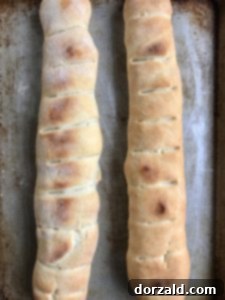
- Carefully transfer the two shaped loaves, seam-side down, onto a lightly greased baking sheet or a baking sheet lined with parchment paper, ensuring they have enough space to expand without touching. Using a sharp knife or a bread lame, make several diagonal slits (about 1/2 inch deep) across the top of each loaf, approximately every two inches. These slits allow for controlled expansion and give the bread its characteristic artisanal appearance.
- Cover the baking sheet with a dry, clean cloth and let the loaves undergo their second rise in a warm place for approximately 40 minutes, or until they have noticeably doubled in bulk and look puffy. This second proofing is crucial for a light and airy texture.
- While the loaves are proofing, preheat your oven to 375 degrees Fahrenheit (190 degrees Celsius). A properly preheated oven is key for a good oven spring and a crispy crust.
- Bake the French bread for 18-22 minutes. For even browning and to develop a uniform crispy crust on all sides, gently flip each loaf halfway through the baking time. The loaves are done when both sides are a beautiful golden brown and they sound hollow when tapped on the bottom.

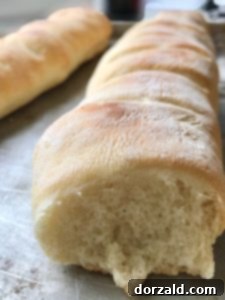
- Once baked, immediately transfer the French bread loaves to a wire rack to cool slightly. Allowing them to cool on a rack prevents the bottom from becoming soggy. Then, break off a warm piece, slather on some butter, and savor the incredible taste of your homemade creation! Enjoy the fruits of your labor!
Why Bake French Bread at Home? The Irresistible Advantages
Stepping into your kitchen and pulling out warm, fragrant loaves of homemade French bread offers an unparalleled sense of accomplishment and a host of benefits that store-bought options simply can’t match. Here’s why baking your own French bread, especially with a bread machine, is a truly rewarding endeavor:
- Unmatched Freshness and Flavor: Nothing compares to bread that’s mere minutes out of the oven. The crispy crust and tender, airy interior of homemade French bread are at their peak freshness, delivering a flavor profile far superior to anything you’d find pre-packaged.
- Control Over Ingredients: When you bake at home, you know exactly what goes into your bread. This means you can avoid artificial preservatives, unwanted additives, or excessive sodium often found in commercially produced loaves. It’s a healthier and more transparent choice for you and your family.
- Cost-Effective: Making bread from scratch is surprisingly economical. Basic ingredients like flour, water, yeast, sugar, and salt are inexpensive pantry staples, making homemade French bread a significantly more budget-friendly option compared to specialty bakery purchases or even supermarket equivalents.
- Therapeutic and Rewarding: The process of baking, from watching the dough rise in your bread machine to smelling the loaves bake to a golden perfection, can be incredibly therapeutic and meditative. The end result – two beautiful, handcrafted loaves – brings a profound sense of satisfaction and pride.
- Customization at Your Fingertips: As previously mentioned, homemade bread allows for endless customization. Whether you prefer a garlicky kick, a hint of herbs, or a sprinkle of cheese, you can tailor your French bread exactly to your preferences and dietary needs, something store-bought bread rarely offers.
- The Wonderful Aroma: The enticing smell of freshly baking bread filling your home is an experience in itself. It creates a warm, inviting, and comforting atmosphere that is truly unique and can instantly lift spirits.
Tips for Achieving French Bread Perfection with Your Bread Machine
Even with the convenience of a bread machine handling the initial stages, a few key tips and attention to detail can ensure your homemade French bread turns out flawlessly every single time. Paying attention to these subtle nuances will help you master the art of bread baking and achieve that desirable bakery-quality loaf:
- Ingredient Temperature is Crucial: The temperature of your water is paramount for yeast activation. Ensure your water is warm, ideally between 105-115°F (40-46°C). Water that’s too hot will kill the yeast, preventing your dough from rising, while water that’s too cold will inhibit yeast activity, leading to a sluggish rise.
- Yeast Freshness Matters: Always use active dry yeast that is fresh and within its expiration date. Stale yeast is a common culprit for failed rises. You can easily test your yeast by dissolving a teaspoon of sugar in about 1/4 cup of warm water, then sprinkling a teaspoon of yeast on top. If it actively bubbles and foams within 5-10 minutes, it’s good to go!
- Choose the Right Flour: For authentic French bread, bread flour is highly recommended. Its higher protein content contributes to stronger gluten development, which is essential for giving the bread its characteristic chewy texture and structural integrity, allowing it to rise beautifully and hold its shape. While all-purpose flour can be used, the results may be less chewy and have a slightly softer texture.
- Dough Consistency Check: Your Secret Weapon: Don’t skip checking the dough during the bread machine’s kneading cycle (as instructed in Step 2). This is your golden opportunity to adjust the hydration. The dough should form a smooth, elastic ball that feels slightly tacky but pulls away cleanly from the sides of the pan. If it’s too sticky, add flour one tablespoon at a time; if it’s too dry and crumbly, add water one teaspoon at a time until the perfect consistency is achieved.
- Provide a Warm Proofing Environment: A warm, draft-free place is crucial for both the first and second rises. If your kitchen is cool, you can lightly warm your oven to about 100°F (38°C), then turn it off and place the covered dough inside (with the oven door slightly ajar) for an optimal proofing environment.
- Proper Punching Down for Finer Texture: Gently punching down the dough after its first rise helps redistribute the yeast and gluten, releasing large gas pockets and creating a finer, more even crumb in your finished French bread.
- Mastering Shaping and Slitting: Rolling the dough tightly during shaping helps create internal tension, contributing to a better structure and uniform rise. The diagonal slits on top are not merely for aesthetics; they serve a functional purpose by allowing steam to escape and the bread to expand uniformly in the oven, preventing uncontrolled cracking and yielding that beautiful, classic French bread look.
- Thorough Oven Preheat is Essential: Always allow your oven to fully preheat to the specified temperature. A hot oven ensures a rapid “oven spring” (the final burst of rising in the oven) and is critical for developing that desirable crispy, golden crust on your French bread.
- Flipping for Uniform Browning: Flipping the loaves halfway through the baking time, as instructed, is a simple yet effective technique to ensure even browning on both sides, giving you a uniformly golden and beautifully crusted bread.
- Cooling on a Wire Rack: Your Final Step: After baking, always transfer your French bread to a wire rack to cool. This allows air to circulate around the entire loaf, preventing the bottom from becoming soggy due to trapped steam and maintaining the crispness of the crust.
Storing Your Homemade French Bread
To ensure you enjoy your homemade French bread at its absolute best, consider these storage recommendations:
- Room Temperature (1-2 days): For immediate consumption, store loosely wrapped in a paper bag or a clean kitchen towel at room temperature. Avoid airtight plastic bags, as they can trap moisture and soften the beautiful crispy crust.
- Freezing (Up to 3 months): For longer-term storage, allow the bread to cool completely. Wrap it tightly in plastic wrap, then again in aluminum foil to prevent freezer burn. Freeze for up to 3 months. To reheat, remove the foil, thaw slightly at room temperature, and bake at 350°F (175°C) for 10-15 minutes or until warmed through and the crust is crisp once more.
Frequently Asked Questions About Homemade French Bread
- Q: Can I make this French bread without a bread machine?
- A: Yes, absolutely! You can achieve excellent results by manually kneading the dough. After mixing the ingredients, knead the dough on a lightly floured surface for about 8-10 minutes until it’s smooth and elastic. Then, proceed with the same rising, shaping, and baking steps outlined in the recipe. The bread machine simply automates the initial kneading and first rise for convenience.
- Q: Why is my dough sometimes too sticky or too dry?
- A: Variations in flour humidity, precise measurement, or even atmospheric conditions can affect dough consistency. Always measure flour by lightly spooning it into a measuring cup and leveling it off with a straight edge (avoid packing it down). If your dough is too sticky, add flour one tablespoon at a time during kneading; if it’s too dry and doesn’t come together, add water one teaspoon at a time.
- Q: My bread didn’t rise adequately. What might have gone wrong?
- A: The most common culprits for poor rising are inactive or old yeast, or water that is either too hot (killing the yeast) or too cold (inhibiting its activity). Ensure your yeast is fresh and your water temperature is within the recommended range (105-115°F / 40-46°C). A cold kitchen environment can also hinder rising; try finding a warmer spot for proofing, such as a slightly warmed (but turned off) oven.
- Q: How do I get a really crispy crust on my French bread?
- A: Several factors contribute to a wonderfully crispy crust. A very hot, preheated oven is essential. You can also create steam in your oven, which is key for crust development. Achieve this by placing a shallow pan of hot water on the bottom rack during baking, or by lightly spraying the oven walls with water a few times during the first 10 minutes of baking. Additionally, flipping the loaves as instructed helps crisp both sides evenly.
Conclusion: Your Journey to Perfect Homemade French Bread
Baking homemade French bread with the assistance of a bread machine is a rewarding and surprisingly simple process that truly brings the warmth and authentic aroma of a professional bakery right into your home. This comprehensive recipe guides you through each step, ensuring you achieve that coveted crispy crust and tender, airy interior that defines exceptional French bread. Whether you choose to enjoy it plain, slathered with butter, or innovatively transformed into flavorful garlic bread or other custom variations, your homemade loaves are guaranteed to impress and delight. So go ahead, dust off your bread machine, gather these basic yet essential ingredients, and embark on your satisfying journey to creating delicious, handcrafted French bread. Happy baking!